As demand for clean-label, health-conscious oils rises worldwide—especially in North America, EU, and Middle East markets—cold-pressed sunflower oil has emerged as a premium choice for food manufacturers, private label brands, and health-focused distributors.
Consumers today don’t just buy oil—they evaluate it. A study by the European Food Safety Authority (EFSA) found that over 72% of B2B buyers prioritize sensory indicators like color, aroma, and mouthfeel when selecting cold-pressed oils for their product lines. Here's what matters most:
These traits aren't subjective—they're measurable. In fact, third-party labs report that top-tier cold-pressed oils typically show free fatty acid levels below 0.3%, per ISO 3656 standards, which directly impacts shelf life and consumer trust.
Many suppliers use “cold pressed” loosely—even on oils processed at temperatures above 40°C. The real test? Check the label:
| Label Info | What It Means |
|---|---|
| “Cold Pressed” + Temp ≤ 40°C | Legitimate process; retains natural antioxidants like vitamin E. |
| No temperature info | Likely misleading claim—ask for lab reports. |

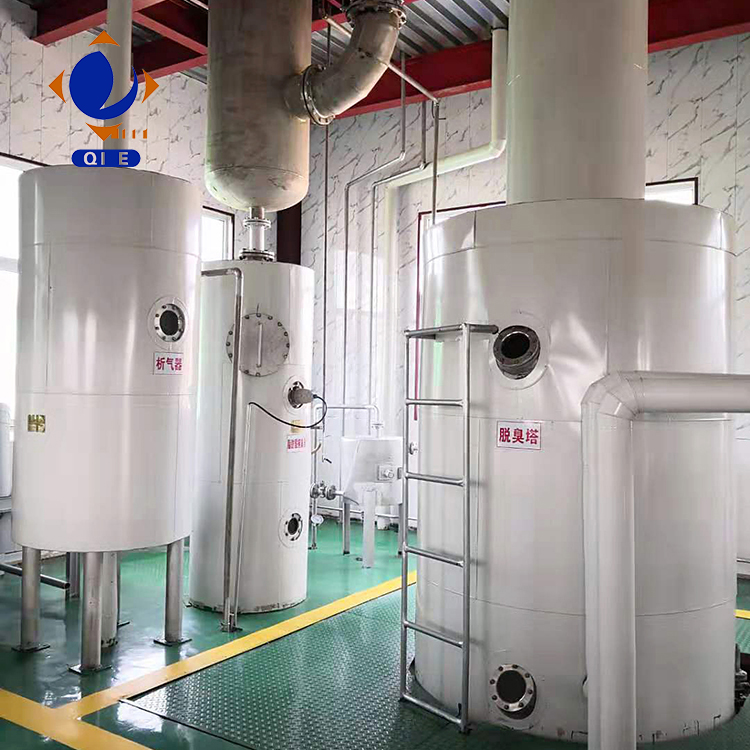
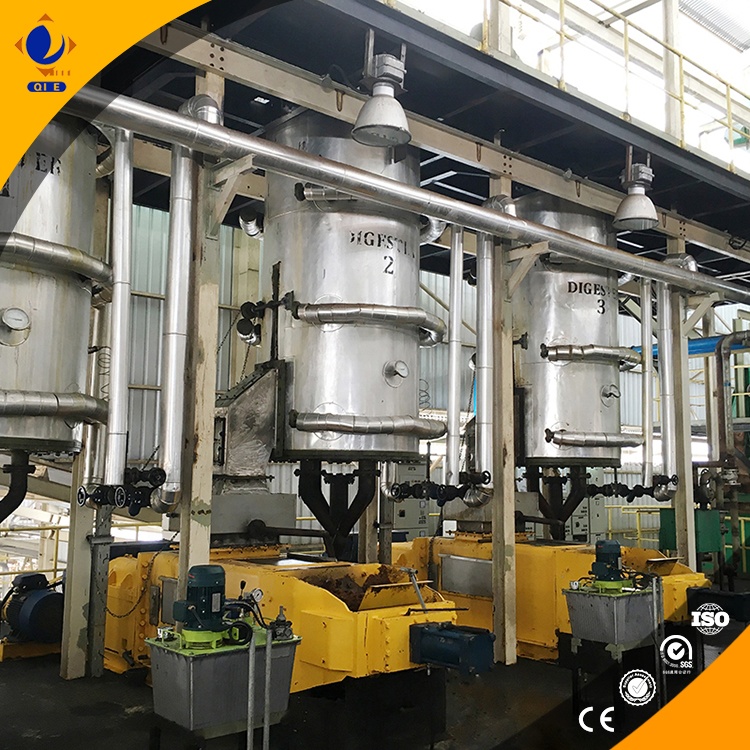
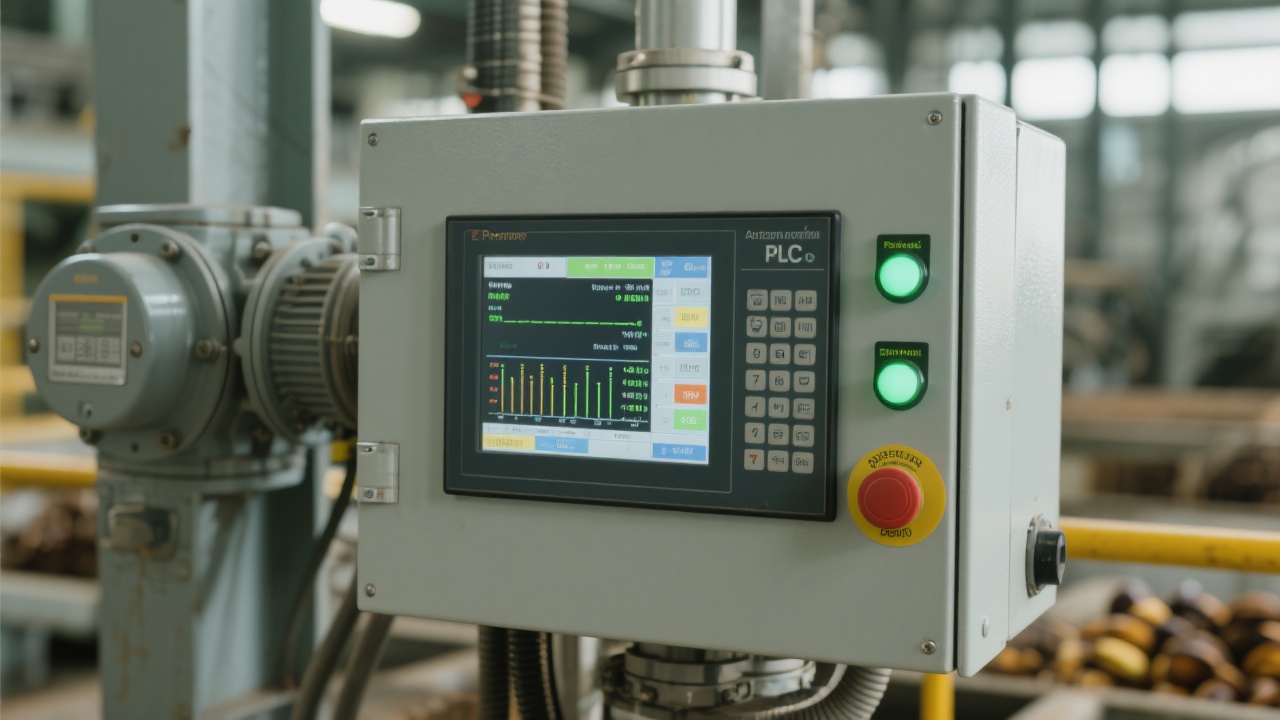
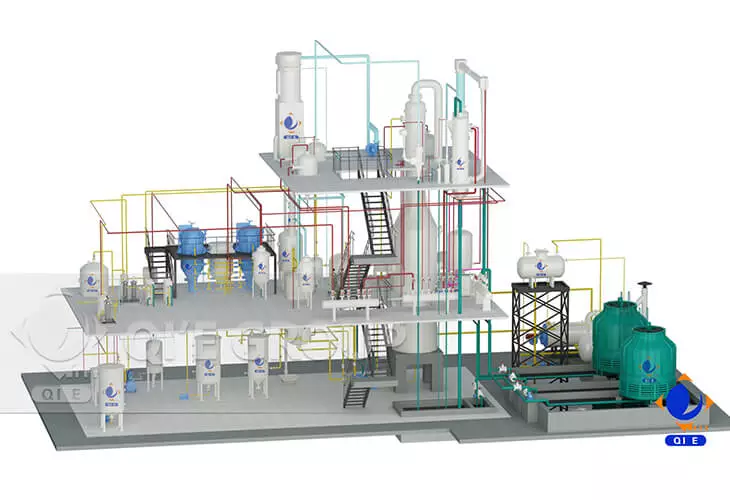
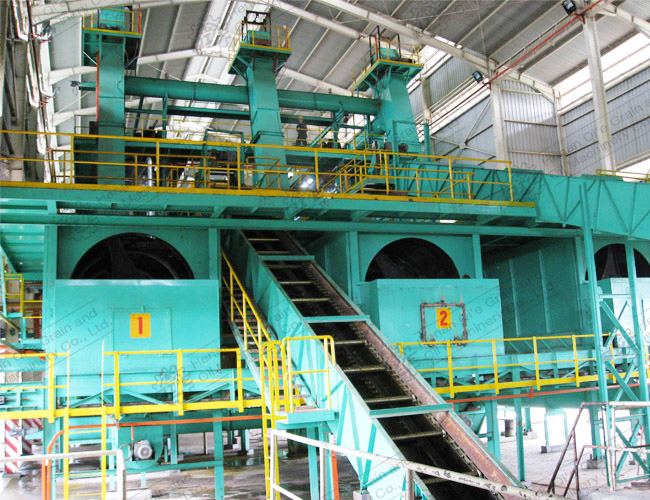
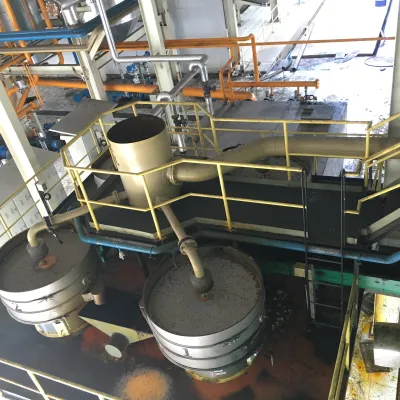
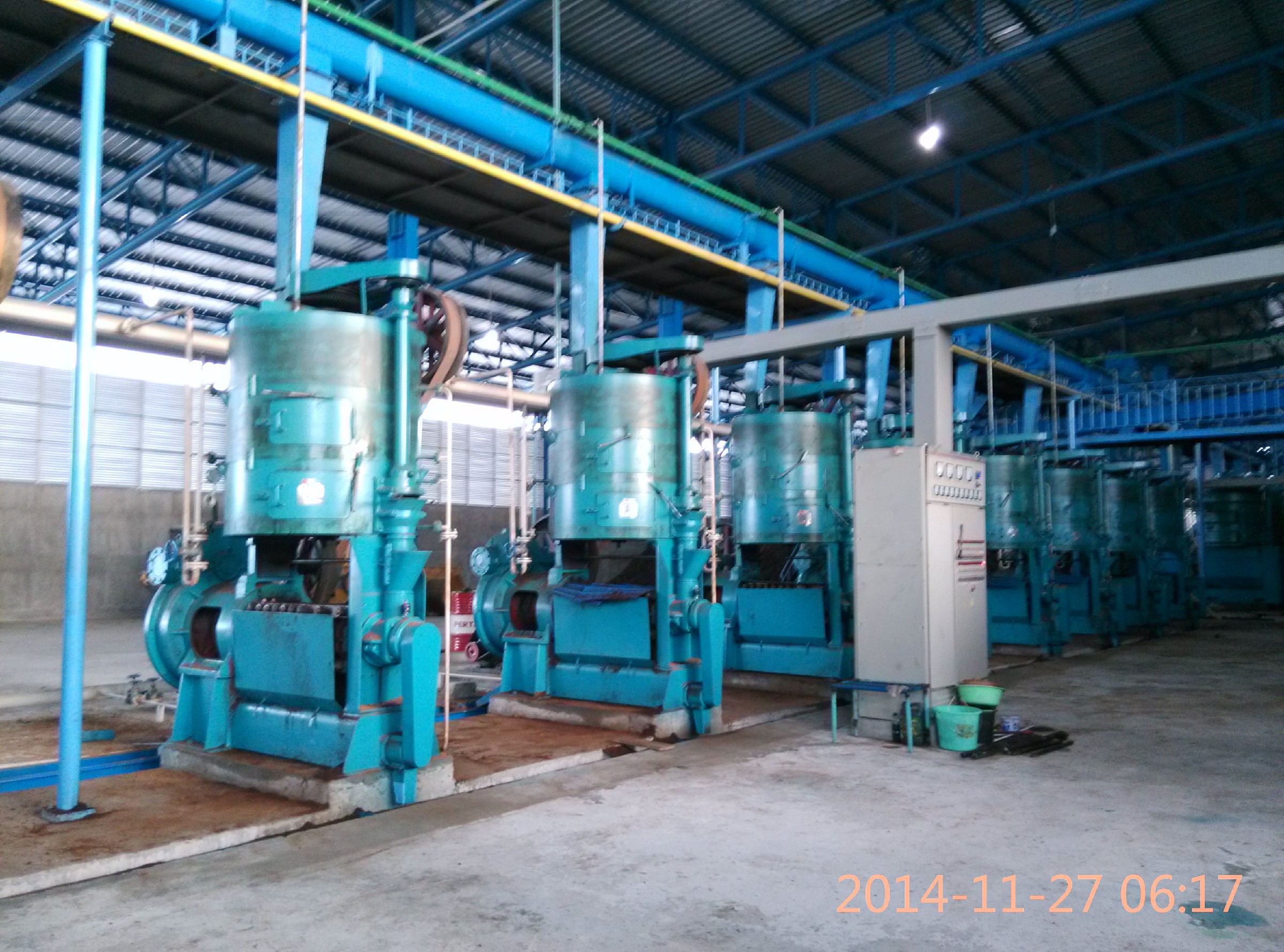
For exporters aiming to win contracts with major retailers like Carrefour, Lidl, or Amazon Fresh, consistency is king. That’s where advanced cold-pressing machinery makes all the difference:
Pro Tip: When sourcing cold-pressed oils, always request batch-specific lab reports—including peroxide value, iodine value, and total phenolic content. This builds buyer confidence faster than any marketing copy.

Let our state-of-the-art cold press equipment help you meet international quality benchmarks—and exceed expectations.
Get Your Customized Cold Press Solution Now
 235
|
235
|
 Sunflower oil pressing equipment
Automation upgrade plan
Energy - saving and consumption reduction
Process optimization
Oil yield improvement
Sunflower oil pressing equipment
Automation upgrade plan
Energy - saving and consumption reduction
Process optimization
Oil yield improvement
 215
|
Sunflower oil pressing
Oil yield improvement
Cleaning and shelling process
Oil press automation
Oil processing technology
215
|
Sunflower oil pressing
Oil yield improvement
Cleaning and shelling process
Oil press automation
Oil processing technology
 236
|
Sunflower Cooking Oil Making Machine
Sunflower Oil Press Machine
Sunflower Seed Oil Extraction
Automated Sunflower Oil Production
Small-Scale Sunflower Oil Press
Industrial Sunflower Oil Processing
Sunflower Oil Filtration Machine
Sunflower Oil Refining Process
Durable Sunflower Oil Making Equipment
Energy-Efficient Oil Production
236
|
Sunflower Cooking Oil Making Machine
Sunflower Oil Press Machine
Sunflower Seed Oil Extraction
Automated Sunflower Oil Production
Small-Scale Sunflower Oil Press
Industrial Sunflower Oil Processing
Sunflower Oil Filtration Machine
Sunflower Oil Refining Process
Durable Sunflower Oil Making Equipment
Energy-Efficient Oil Production
 282
|
cold pressed sunflower oil
how to identify cold pressed oil
sunflower oil nutritional value
cold press vs hot press
food label reading
282
|
cold pressed sunflower oil
how to identify cold pressed oil
sunflower oil nutritional value
cold press vs hot press
food label reading
 63
|
Sunflower Oil Machine
Sunflower Oil Press Machine
high extraction efficiency sunflower oil machine
eco-friendly sunflower oil machine
nutrient-preserving sunflower oil machine
versatile sunflower oil extraction machine
easy maintenance sunflower oil machine
agricultural sunflower oil processing machine
homemade sunflower oil machine
sunflower oil production machine
63
|
Sunflower Oil Machine
Sunflower Oil Press Machine
high extraction efficiency sunflower oil machine
eco-friendly sunflower oil machine
nutrient-preserving sunflower oil machine
versatile sunflower oil extraction machine
easy maintenance sunflower oil machine
agricultural sunflower oil processing machine
homemade sunflower oil machine
sunflower oil production machine