In today's market, the variety of sunflower oil products can make the selection process quite challenging for consumers. Among them, cold-pressed sunflower oil stands out as a high - quality option, offering numerous health benefits and superior taste. This article aims to provide a comprehensive guide on how to identify and choose high - quality cold - pressed sunflower oil, empowering consumers to make informed purchasing decisions.
Cold - pressed sunflower oil is extracted from sunflower seeds at low temperatures, typically below 49°C (120°F). This gentle extraction method helps preserve the natural nutrients, vitamins, and antioxidants present in the seeds. According to industry research, cold - pressed oils can retain up to 90% of their original nutritional value, compared to only about 60% in oils produced through traditional high - heat methods.
The color of cold - pressed sunflower oil is usually a light golden hue. A darker color may indicate over - processing or the use of lower - quality seeds. In terms of aroma, high - quality cold - pressed sunflower oil has a mild, nutty fragrance. If the oil has a strong, unpleasant odor, it might be a sign of rancidity. As for taste, it should be smooth and slightly sweet. A bitter or harsh taste could suggest poor quality.

Cold - pressed sunflower oil is rich in essential fatty acids, such as linoleic acid and oleic acid, which are beneficial for heart health. It also contains vitamin E, a powerful antioxidant that helps protect cells from damage. The amount of vitamin E in cold - pressed sunflower oil can range from 40 to 60 milligrams per 100 grams. By regularly consuming cold - pressed sunflower oil, consumers can improve their overall health and well - being.
One of the key features of cold - pressed sunflower oil is its high antioxidant capacity. Antioxidants help prevent the oil from oxidizing and going rancid, which extends its shelf life. To identify cold - pressed technology, look for labels that mention "cold - pressed" or "cold - expeller pressed". Additionally, some high - end products may provide information on the antioxidant content, such as ORAC (Oxygen Radical Absorbance Capacity) values.
The packaging label of cold - pressed sunflower oil contains crucial information. The production date indicates how fresh the oil is. Generally, the fresher the oil, the higher its nutritional value. The expiration date tells you how long the oil can be safely stored. As for the pressing method, "cold - pressed" ensures that the oil has been produced under low - temperature conditions.
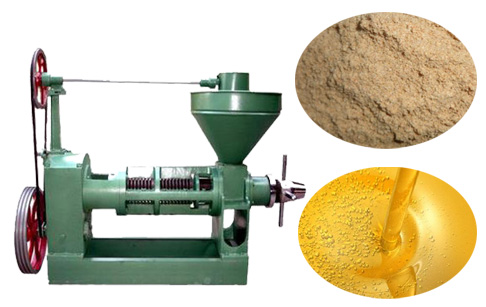
Third - party testing and certification can significantly enhance the credibility of cold - pressed sunflower oil products. Certifications such as USDA Organic, Non - GMO Project Verified, and ISO 22000 ensure that the oil meets strict quality and safety standards. When choosing a product, consumers should look for these certifications to guarantee the authenticity and quality of the oil.
Let's consider two scenarios. In Scenario A, a consumer randomly selects a sunflower oil without paying attention to the pressing method or nutritional information. The oil tastes ordinary and may not provide the expected health benefits. In contrast, in Scenario B, a consumer carefully reads the label, chooses a cold - pressed product with high antioxidant content, and enjoys a better - tasting and healthier oil.

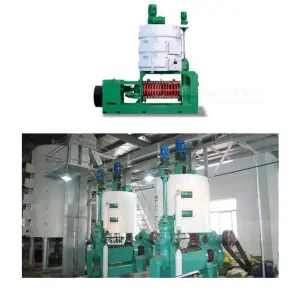
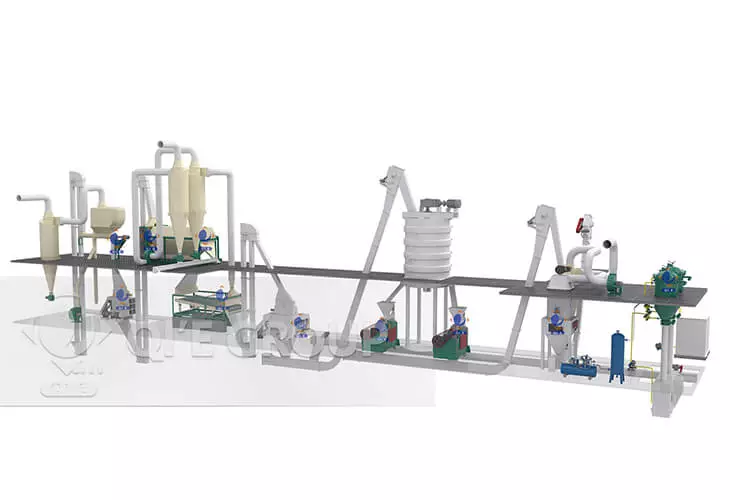
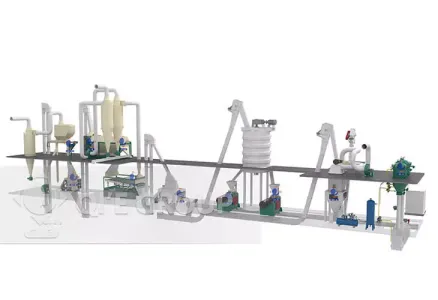
If you are interested in producing high - quality cold - pressed sunflower oil, our state - of - the - art cold - press oil machine can be your perfect solution. It uses advanced cold - pressing technology to ensure maximum nutrient retention and excellent oil quality. Click here to learn more about our cold - press oil machine and take the first step towards producing superior cold - pressed sunflower oil!

 490
|
490
|
 sunflower oil press
medium-sized oil extractor
sunflower oil press
medium-sized oil extractor
 132
|
cold-pressed sunflower seed oil extractor
cold pressing technology
health market
nutrient retention
cosmetics applications
132
|
cold-pressed sunflower seed oil extractor
cold pressing technology
health market
nutrient retention
cosmetics applications
 143
|
sunflower seed oil extraction
solvent extraction technology
large-scale oil production
143
|
sunflower seed oil extraction
solvent extraction technology
large-scale oil production
 153
|
eco-friendly sunflower oil press machine
sunflower oil extraction for healthy eating
international success stories sunflower oil press
153
|
eco-friendly sunflower oil press machine
sunflower oil extraction for healthy eating
international success stories sunflower oil press
 113
|
cold-pressed sunflower seed oil
low-temperature pressing technology
nutritional retention
antioxidant-rich cooking oil
healthy edible oils
113
|
cold-pressed sunflower seed oil
low-temperature pressing technology
nutritional retention
antioxidant-rich cooking oil
healthy edible oils








.jpg?x-oss-process=image/resize,m_fill,h_300,w_300/format,webp)