As global consumers increasingly prioritize clean labels, natural ingredients, and functional nutrition, cold-pressed sunflower oil is emerging as a premium alternative to conventionally refined oils. Unlike traditional hot-press extraction methods that can degrade sensitive nutrients, cold-pressing preserves the full spectrum of bioactive compounds—making it not just a cooking oil, but a health-enhancing ingredient.
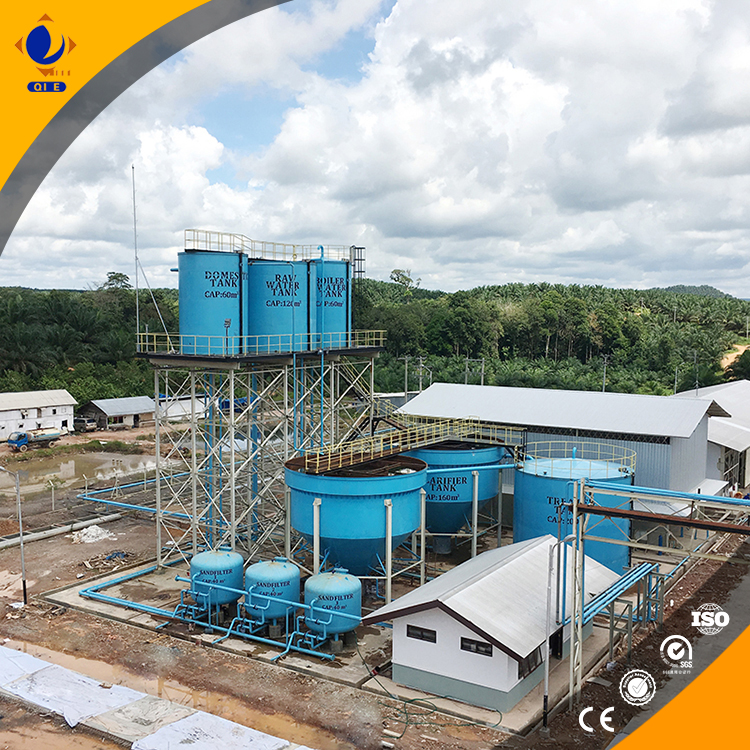
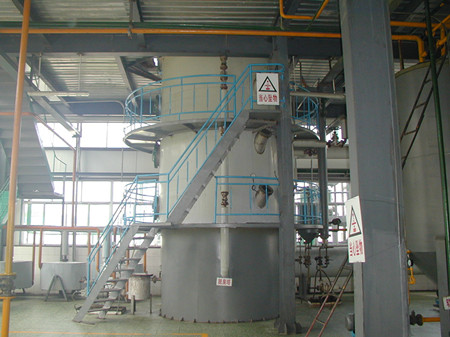
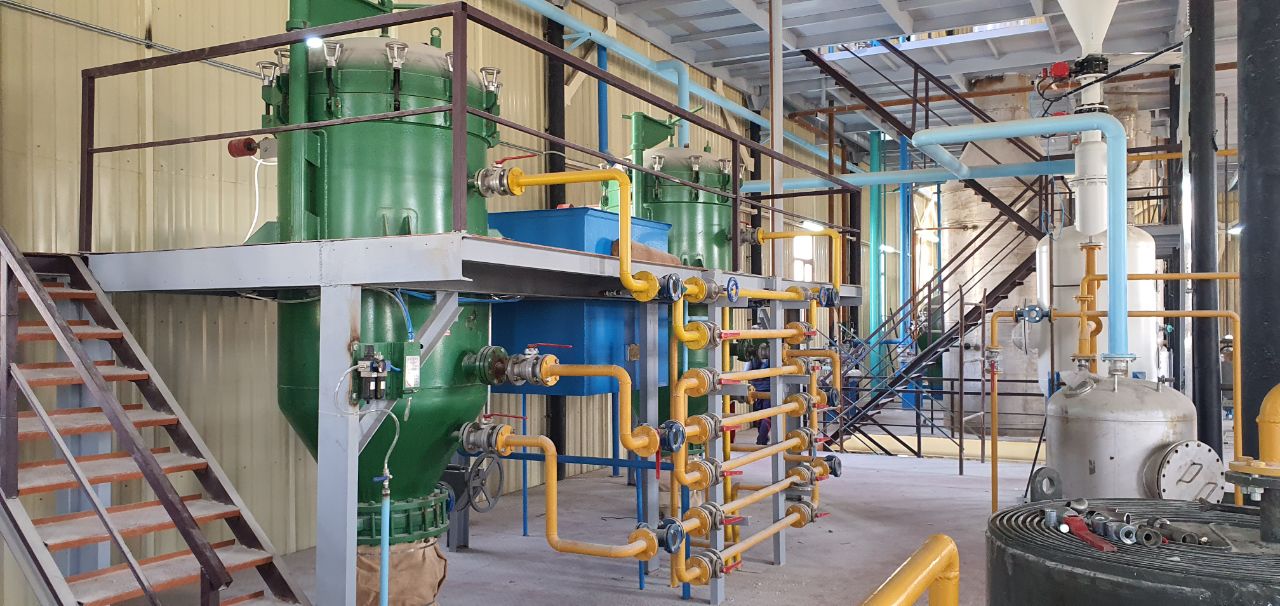
The process begins with meticulous seed cleaning and de-hulling to remove impurities and husks. Then comes the critical step: low-temperature pressing at under 40°C (104°F). This gentle method ensures minimal thermal degradation of delicate compounds like vitamin E and polyphenols—key antioxidants linked to heart health and anti-aging benefits.
According to a 2022 study published in Food Chemistry, cold-pressed sunflower oil retains up to 75% more tocopherols (vitamin E) compared to its hot-pressed counterpart—a difference that matters for both shelf life and consumer trust. In fact, lab tests show cold-pressed variants contain over 120 mg/kg of total tocopherols, while standard oils average around 65 mg/kg.
Consumers aren’t just buying healthier—they’re seeking better flavor profiles too. Cold-pressed oil carries a mild, nutty aroma and a smoother mouthfeel due to intact phytochemicals. It’s ideal for drizzling on salads, adding to smoothies, or even replacing butter in keto-friendly recipes.
In Mediterranean diets, where olive oil dominates, cold-pressed sunflower oil offers an affordable yet equally nutritious option—especially for markets like Southeast Asia and Latin America, where demand for plant-based fats is growing at 12% annually (source: Euromonitor 2023).
For small-to-mid-sized oil producers, investing in modern cold-press equipment isn't just about quality—it's a strategic move toward export readiness. With rising EU and North American interest in “cold-pressed” labeling (now a regulated claim in some jurisdictions), early adopters gain first-mover advantage in premium B2B channels.
However, challenges remain: higher production costs (~$0.15–$0.30/liter more than traditional methods), longer processing times, and the need for specialized storage conditions. Yet, these are offset by premium pricing potential—brands selling certified cold-pressed oils report 20–35% higher margins in wholesale B2B contracts.
Q: Is cold-pressed sunflower oil suitable for high-heat cooking?
A: While it has a smoke point of ~160°C (320°F), it’s best used in low- to medium-heat applications such as sautéing, baking, or finishing dishes. For deep frying, consider blending with a higher-smoke-point oil like avocado or grapeseed.
Q: How do I verify authenticity when sourcing from suppliers?
A: Look for third-party certifications (ISO 22000, HACCP, USDA Organic) and request lab reports showing tocopherol levels and free fatty acid content (< 0.1%). Transparency builds long-term B2B relationships.
We offer custom formulation support, B2B packaging solutions, and compliance guidance for EU, US, and Middle East markets. Let’s build a trusted supply chain together.
Explore Our Cold-Pressed Sunflower Oil Solutions
 449
|
449
|
 sunflower seed oil pressing process
sunflower seed oil expeller press
oil extraction efficiency optimization
automated oil pressing system
sunflower seed dehulling technology
sunflower seed oil pressing process
sunflower seed oil expeller press
oil extraction efficiency optimization
automated oil pressing system
sunflower seed dehulling technology
 243
|
sunflower seed oil machine
healthy cooking oils
efficient oil extraction
272
|
cold pressed sunflower oil
sunflower oil quality test
cold pressed oil benefits
antioxidant capacity in oils
how to choose sunflower oil
243
|
sunflower seed oil machine
healthy cooking oils
efficient oil extraction
272
|
cold pressed sunflower oil
sunflower oil quality test
cold pressed oil benefits
antioxidant capacity in oils
how to choose sunflower oil
 326
|
Sunflower seed oil yield improvement
Seed pre - treatment technology
Cold - press vs. hot - press process
Sunflower oil production equipment
Oil press optimization
326
|
Sunflower seed oil yield improvement
Seed pre - treatment technology
Cold - press vs. hot - press process
Sunflower oil production equipment
Oil press optimization
 242
|
cold pressing
sustainable technology
low-temperature extraction
242
|
cold pressing
sustainable technology
low-temperature extraction