In the thriving market of sunflower oils, discerning high-quality cold-pressed variants remains a challenge for consumers and procurement professionals alike. This guide explores essential technical parameters critical to oil quality, empowering buyers with scientific insights and practical tips to confidently choose premium cold-pressed sunflower oil. From sensory markers to nutrient profiles and equipment considerations, understand how core factors shape oil integrity and health benefits.
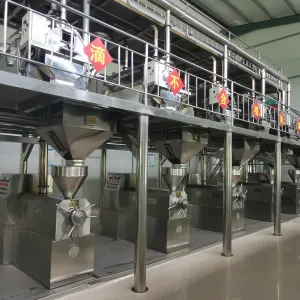
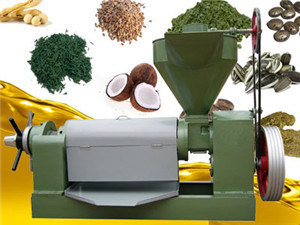
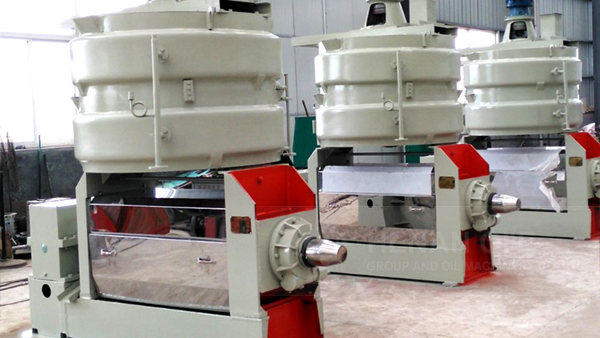
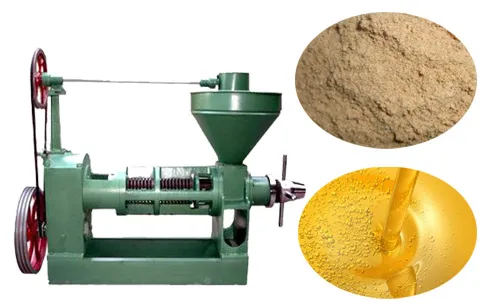
Cold-pressed sunflower oil stands out due to its minimal processing, preserving bioactive compounds that contribute to flavor, aroma, and nutrition. The equipment used in oil extraction directly influences yield, purity, and antioxidant retention. Selecting appropriate cold-pressing machinery ensures the production of oil that maintains natural qualities, which consumers increasingly demand for health-conscious lifestyles.
Sensory parameters serve as immediate indicators of sunflower oil quality:
Figure 1 illustrates typical color spectrum ranges correlating with oil freshness and quality.
Cold pressing retains essential fatty acids and phytonutrients:
A critical metric is the oxidative stability index (OSI), which measures oil resistance to rancidity under accelerated conditions. Cold-pressed oils with OSI above 15 hours typically indicate superior antioxidant capacity. Reliable equipment ensures gentle pressing, minimizing thermal degradation and preserving these nutrients.
Packaging details reveal authenticity and quality cues:
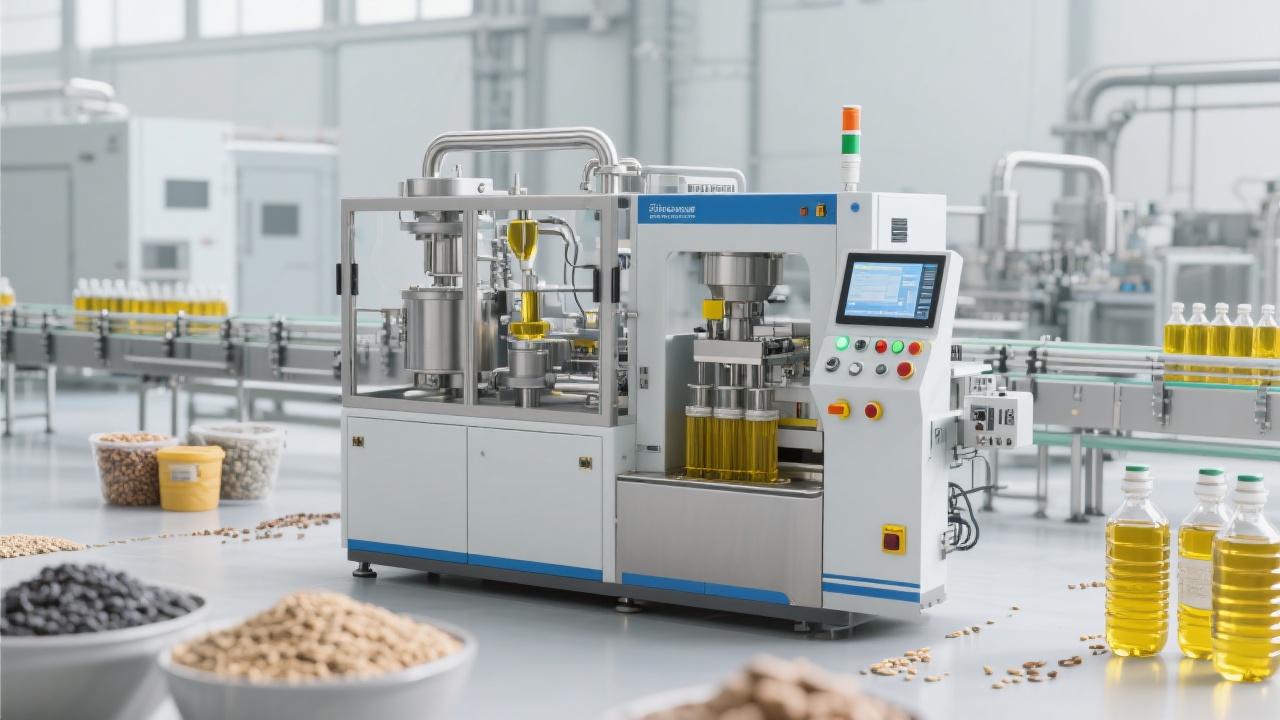
Figure 2 exemplifies a typical cold-pressed sunflower oil packaging with highlighted quality indicators.
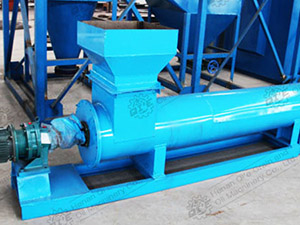
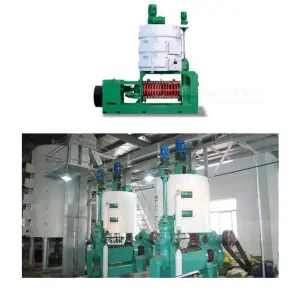
Choosing the right cold-press machine influences oil yield, purity, and nutrient retention. Key technical parameters include:
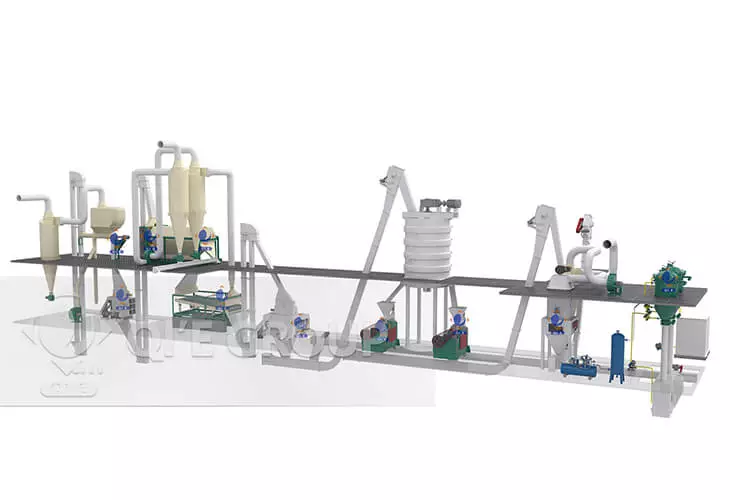
Figure 3 illustrates the schematic of a typical cold-press machine emphasizing temperature control and material flow.

 478
|
478
|
 market trends
future planning
sustainable development
market trends
future planning
sustainable development
 456
|
multifunctional peanut oil refining equipment
food safety compliant oil refining technology
oil refinery solutions for small oil mills
456
|
multifunctional peanut oil refining equipment
food safety compliant oil refining technology
oil refinery solutions for small oil mills
 235
|
sunflower seed oil machine
healthy oil production
diverse needs
235
|
sunflower seed oil machine
healthy oil production
diverse needs
 228
|
sunflower oil extraction methods
cold press sunflower oil extractor
solvent extraction sunflower oil machine
228
|
sunflower oil extraction methods
cold press sunflower oil extractor
solvent extraction sunflower oil machine
 143
|
sunflower seed oil press extraction technology
dual-use sunflower oil press for commercial and home
user-friendly sunflower seed oil extraction machine
143
|
sunflower seed oil press extraction technology
dual-use sunflower oil press for commercial and home
user-friendly sunflower seed oil extraction machine