As consumer demand shifts towards healthier and more natural edible oils, cold-pressed sunflower oil is gaining significant traction in the global market. For small and medium oil mills, upgrading to cold-pressed processing technology can unlock superior oil quality while meeting health-conscious buyer expectations. This article provides a clear guide to the complete cold-pressed sunflower oil production workflow, technical insights on equipment selection, and practical operational strategies to help oil producers achieve efficient process modernization and market differentiation.
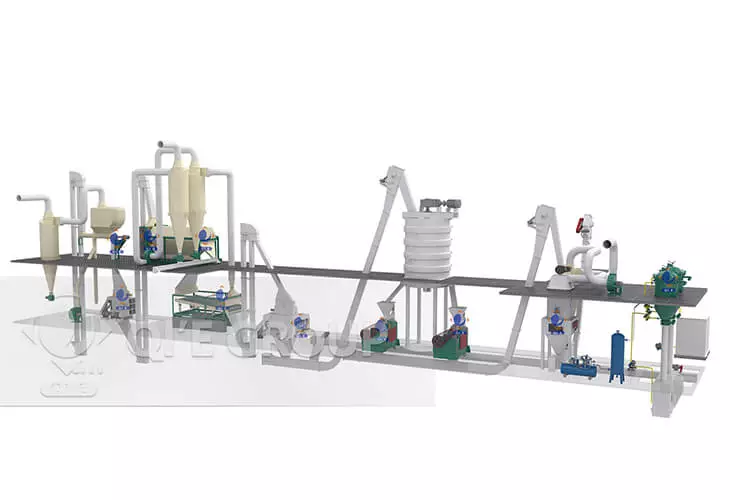
Cold pressing is a mechanical extraction method carried out at temperatures typically below 50°C, preserving the oil’s delicate nutrients and natural flavor. The key production stages in a typical cold-pressed sunflower oil line include:
Scientific studies confirm that cold-pressed sunflower oil retains significantly higher levels of vitamin E (tocopherols), polyphenols, and phytosterols compared to conventional hot-pressed oils. On average, cold pressing can preserve up to 85-90% of vitamin E content, versus roughly 50-60% in high-temperature methods. These antioxidants contribute to both extended shelf life and measurable health benefits, such as anti-inflammatory and cardiovascular protection.
From a sensory perspective, cold-pressed oils display a fresher, nuttier aroma and fuller flavor profile, factors that resonate strongly with consumers prioritizing natural, unrefined products.
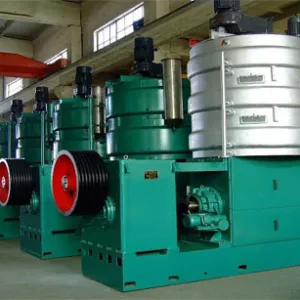
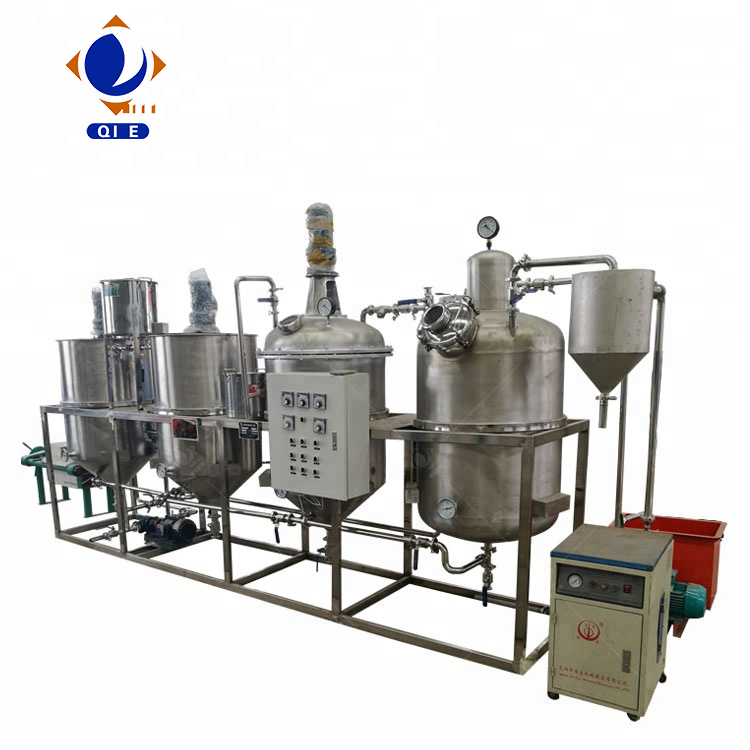
Mid-sized producers often face challenges such as limited budgets, space constraints, and operating expertise when upgrading to cold-pressed technology. Here are pivotal considerations for equipment selection:
Implementing modular lines allows mills to scale production according to demand, optimizing capital expenditure and reducing operational risk.
Global health trends favor minimally processed, nutrient-rich oils with traceability and clean labels. Small and medium oil mills who embrace cold-pressed processing can target:
Moreover, the rising interest in plant-based diets and “clean eating” underscores a consistent growth trajectory for premium cold-pressed oils.
Upgrading to cold-pressed sunflower oil equipment is not just a technological shift—it's a strategic move to align with evolving consumer health preferences and enhance product value. Investing in state-of-the-art low-temperature pressing technology ensures maximum nutrient retention, superior flavor, and strong market competitiveness.
Discover Our Advanced Cold-Pressed Sunflower Oil Processing Equipment & Elevate Your Mill’s Output
 96
|
96
|
 Small-scale palm oil equipment
Customized oil press
Palm oil production line
Cost-effective equipment
Palm oil processing equipment
Small-scale palm oil equipment
Customized oil press
Palm oil production line
Cost-effective equipment
Palm oil processing equipment
 306
|
Sunflower Oil Pressing Machine for Sale
Small-Scale Sunflower Oil Pressing Machines
Medium-Scale Sunflower Oil Pressing Machines
Large-Scale Sunflower Oil Pressing Machines
Automated Sunflower Oil Pressing Machines
Cold Press Sunflower Oil Extraction Machine
Hot Press Sunflower Oil Extraction Machine
Commercial Sunflower Oil Pressing Equipment
Affordable Sunflower Oil Press Machines
Stainless Steel Sunflower Oil Pressing Machines
306
|
Sunflower Oil Pressing Machine for Sale
Small-Scale Sunflower Oil Pressing Machines
Medium-Scale Sunflower Oil Pressing Machines
Large-Scale Sunflower Oil Pressing Machines
Automated Sunflower Oil Pressing Machines
Cold Press Sunflower Oil Extraction Machine
Hot Press Sunflower Oil Extraction Machine
Commercial Sunflower Oil Pressing Equipment
Affordable Sunflower Oil Press Machines
Stainless Steel Sunflower Oil Pressing Machines
 364
|
cold press sunflower seed oil expeller press
hot press sunflower seed oil expeller press
healthy edible oil equipment
cold press technology advantages
sunflower seed oil production equipment
364
|
cold press sunflower seed oil expeller press
hot press sunflower seed oil expeller press
healthy edible oil equipment
cold press technology advantages
sunflower seed oil production equipment
 140
|
sunflower seed oil extractor
small-scale pressing oil extractor
industrial solvent extraction oil machine
140
|
sunflower seed oil extractor
small-scale pressing oil extractor
industrial solvent extraction oil machine
 89
|
sustainable development
ecological agriculture
green production
89
|
sustainable development
ecological agriculture
green production










.jpg)