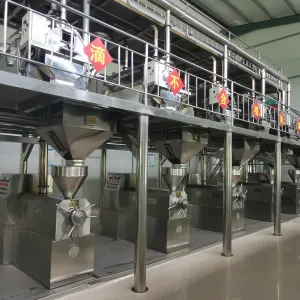
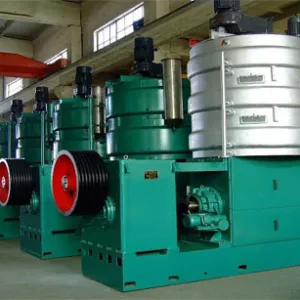
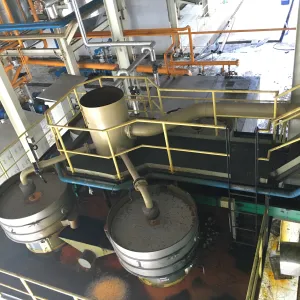
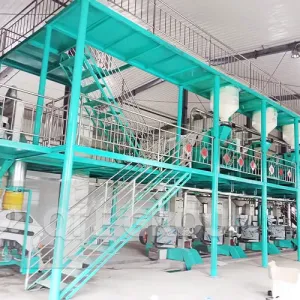
For small-scale oil producers and health-conscious consumers, producing high-quality sunflower seed oil that preserves nutritional integrity is paramount. The cold-pressed sunflower seed oil machine leverages advanced low-temperature extraction technology, enabling efficient oil yield without compromising natural flavor and nutrient profile. This article explores the working principle of such machines, operational workflows, maintenance tips, and critical purchasing guidelines, providing a comprehensive technical guide suited for both seasoned operators and newcomers in the oil processing industry.
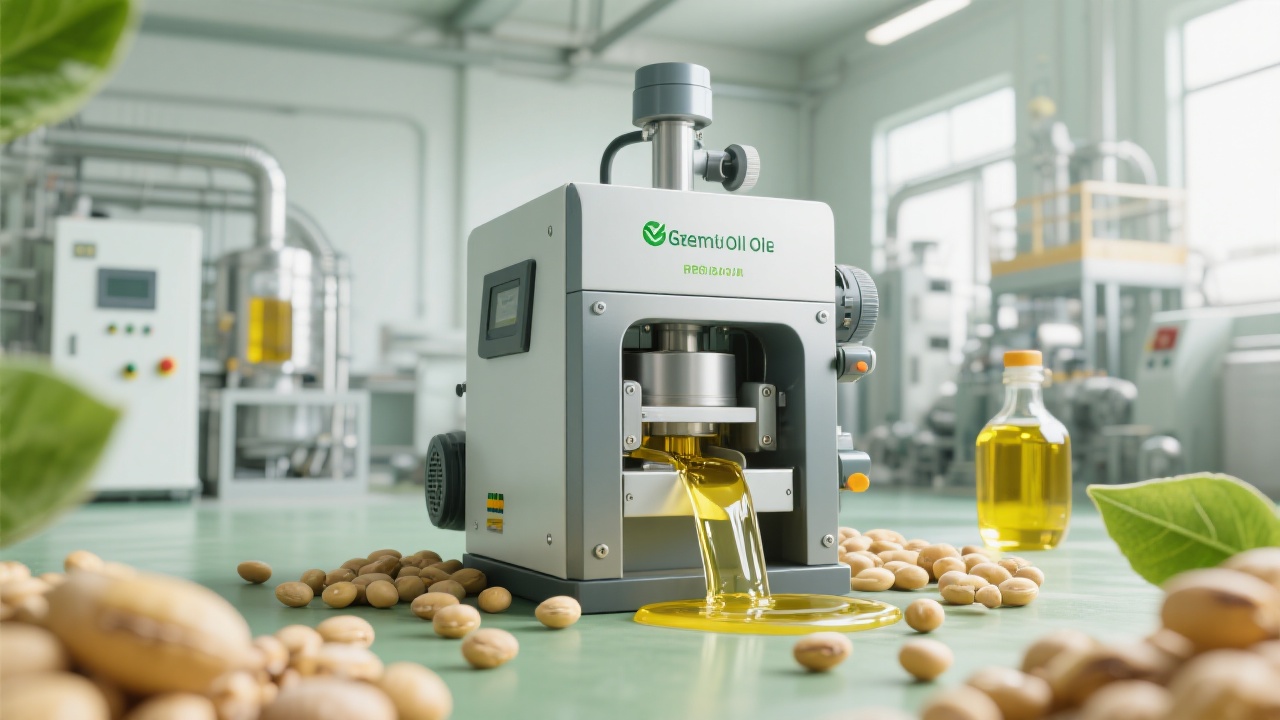
Cold pressing involves mechanically extracting oil from sunflower seeds without exposing them to high heat or chemical solvents. By maintaining temperatures below 50°C (122°F), this method retains essential fatty acids, antioxidants, and vitamins, delivering oil with superior taste and health benefits compared to conventional hot-pressing processes.
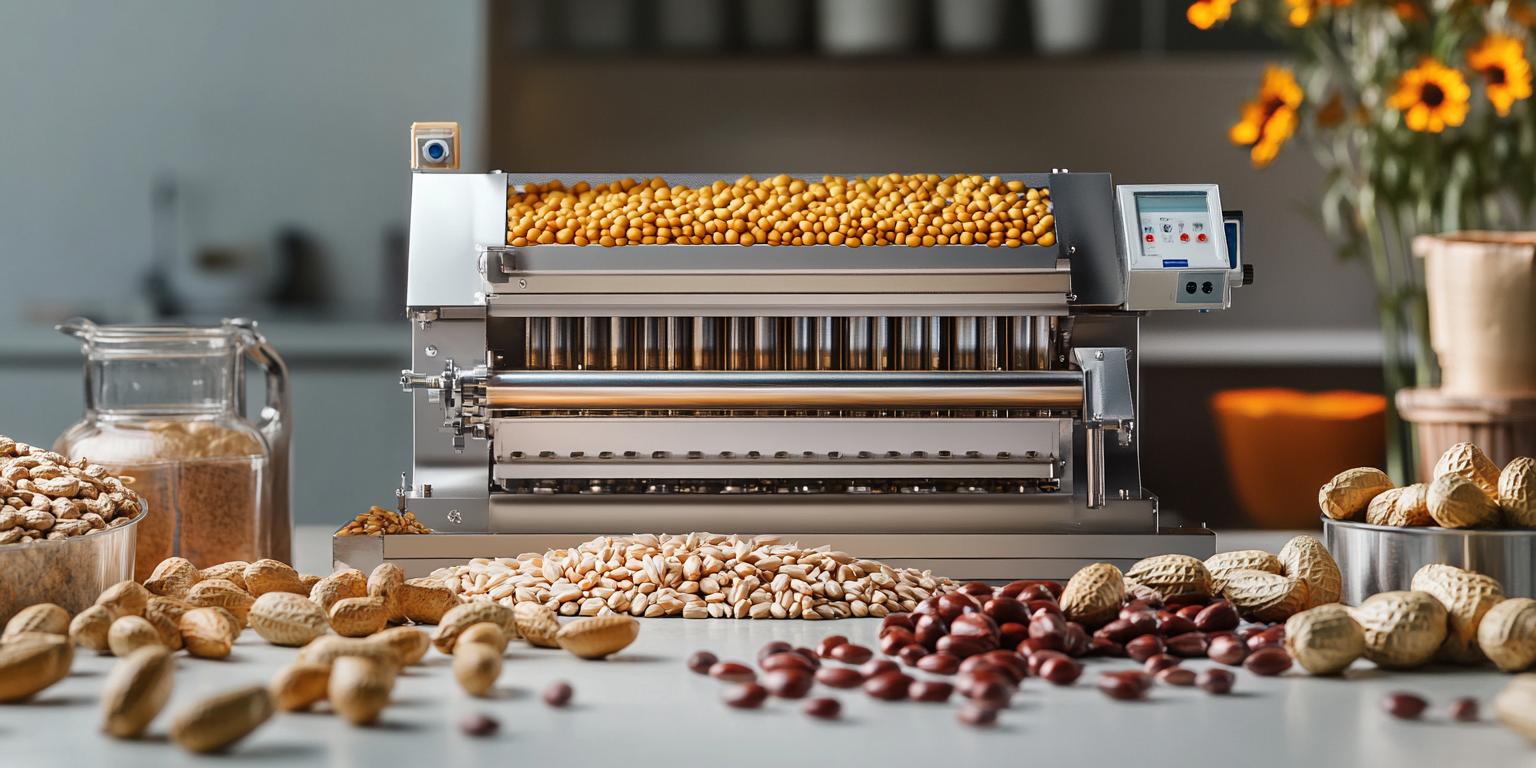
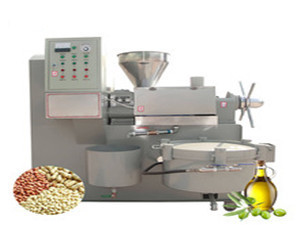
The machine applies high pressure through specialized screw presses that crush the seeds gradually, ensuring maximum oil release while avoiding thermal degradation. This technology typically achieves an oil extraction efficiency ranging from 30% to 40% for sunflower seeds, depending on seed quality and machine specs.
Small-scale oil producers benefit immensely from cold-pressed sunflower seed oil machines designed for batch sizes of 50 to 200 kilograms per hour. These compact units occupy minimal floor space and require lower energy input, translating into cost-effective operations without sacrificing quality.
Advantages of small-batch cold pressing include:
A seamless production cycle ensures the highest oil quality and operational efficiency. The key stages include:
When selecting an appropriate cold-pressed sunflower seed oil machine, operators should rigorously evaluate:
Regular maintenance significantly extends machine lifespan while stabilizing output quality. Operators should:
Integrating safety protocols is essential for every small-batch production environment. Training operators on:
Furthermore, implementing clear standard operating procedures helps minimize downtime and maximize yield.

 500
|
500
|
 Sunflower Oil Milling Machine
Sunflower Oil Press Machine
High Efficiency Sunflower Oil Milling Machine
Durable Sunflower Oil Milling Equipment
Automatic Sunflower Oil Milling Machine
Small Scale Sunflower Oil Processing Machine
Medium Scale Sunflower Oil Press Machine
Versatile Sunflower Oil Milling Machine
Energy Efficient Sunflower Oil Extraction
Sunflower Oil Production Equipment
Sunflower Oil Milling Machine
Sunflower Oil Press Machine
High Efficiency Sunflower Oil Milling Machine
Durable Sunflower Oil Milling Equipment
Automatic Sunflower Oil Milling Machine
Small Scale Sunflower Oil Processing Machine
Medium Scale Sunflower Oil Press Machine
Versatile Sunflower Oil Milling Machine
Energy Efficient Sunflower Oil Extraction
Sunflower Oil Production Equipment
 412
|
sunflower seed oil extraction machine
hydraulic and solvent extraction methods
oil extraction technology
412
|
sunflower seed oil extraction machine
hydraulic and solvent extraction methods
oil extraction technology
 63
|
Sunflower Oil Milling Machine
Sunflower Oil Press Machine
High Efficiency Sunflower Oil Milling
63
|
Sunflower Oil Milling Machine
Sunflower Oil Press Machine
High Efficiency Sunflower Oil Milling
 361
|
Hot-pressed sunflower oil press
Sunflower oil yield optimization
Hot-pressing temperature control
Sunflower oil production technology
Application of hot oil press
361
|
Hot-pressed sunflower oil press
Sunflower oil yield optimization
Hot-pressing temperature control
Sunflower oil production technology
Application of hot oil press
 454
|
Cold - pressed sunflower oil press
Healthy oil production
Cosmetic raw materials
Cold - pressing technology application
Natural skincare products
454
|
Cold - pressed sunflower oil press
Healthy oil production
Cosmetic raw materials
Cold - pressing technology application
Natural skincare products





.jpg?x-oss-process=image/resize,m_fill,h_300,w_300/format,webp)