When it comes to sunflower oil production, choosing the right pressing method is crucial for ensuring both the quality and nutritional value of the final product. This guide delves into the differences between cold pressing and hot pressing, offering valuable insights for managers, technical leaders, and procurement decision - makers in small and medium - sized oil mills.
From the cleanliness of raw materials to the final packaging, every step in the production process affects the quality of sunflower oil. However, the pressing stage is particularly critical. It can significantly influence the color, flavor, and nutritional content of the oil.
Cold pressing involves extracting oil at low temperatures, typically below 50°C. This method helps to preserve the natural flavor, color, and nutrients of the sunflower seeds. For example, it can retain up to 90% of vitamin E, an important antioxidant in sunflower oil. In terms of color, cold - pressed sunflower oil usually has a lighter and more natural hue.
On the other hand, hot pressing is carried out at higher temperatures, often between 100 - 120°C. This process can increase the oil yield by up to 15% compared to cold pressing. However, the high temperature may cause some of the nutrients to degrade. The vitamin E retention rate in hot - pressed oil is around 70%. Also, the oil may have a deeper color and a stronger flavor.
| Pressing Method | Temperature | Oil Yield | Vitamin E Retention | Color |
|---|---|---|---|---|
| Cold Pressing | Below 50°C | Lower, normal level | Up to 90% | Lighter |
| Hot Pressing | 100 - 120°C | Up to 15% higher | Around 70% | Deeper |
For edible - grade sunflower oil, cold pressing is often the preferred choice. Consumers generally prefer the lighter color, milder flavor, and higher nutritional value of cold - pressed oil. In addition, cold - pressed oil is more suitable for applications where the natural taste and nutrients are highly valued, such as salad dressings and cold - dishes.
For industrial use, hot pressing may be more appropriate. The higher oil yield can reduce production costs, and the stronger flavor may not be a concern in industrial applications, such as in the production of bio - fuels or lubricants.

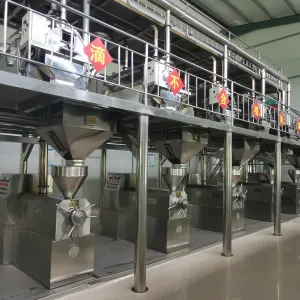
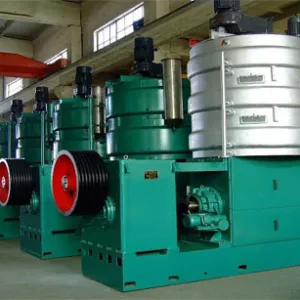
When choosing the pressing equipment, it should be based on the selected pressing method. For cold pressing, a low - temperature screw press is recommended. It can ensure that the temperature during the pressing process remains within the appropriate range. For hot pressing, a high - temperature expeller press with temperature control function is a better option.
Problem 1: Dark oil color after pressing
If the oil color is too deep after pressing, it may be due to over - heating during hot pressing or improper raw material handling. We recommend using a double - stage filtration + vacuum deodorization combination, which can effectively remove impurities and pigments, ensuring the oil is clear and stable.
Problem 2: Risk of oxidation and deterioration
To reduce the risk of oxidation and deterioration, it is necessary to ensure a good storage environment. In addition, adding natural antioxidants during the production process can also extend the shelf - life of the oil. According to industry experience, adding 0.02% - 0.05% of natural antioxidants can significantly improve the oxidation stability of sunflower oil.
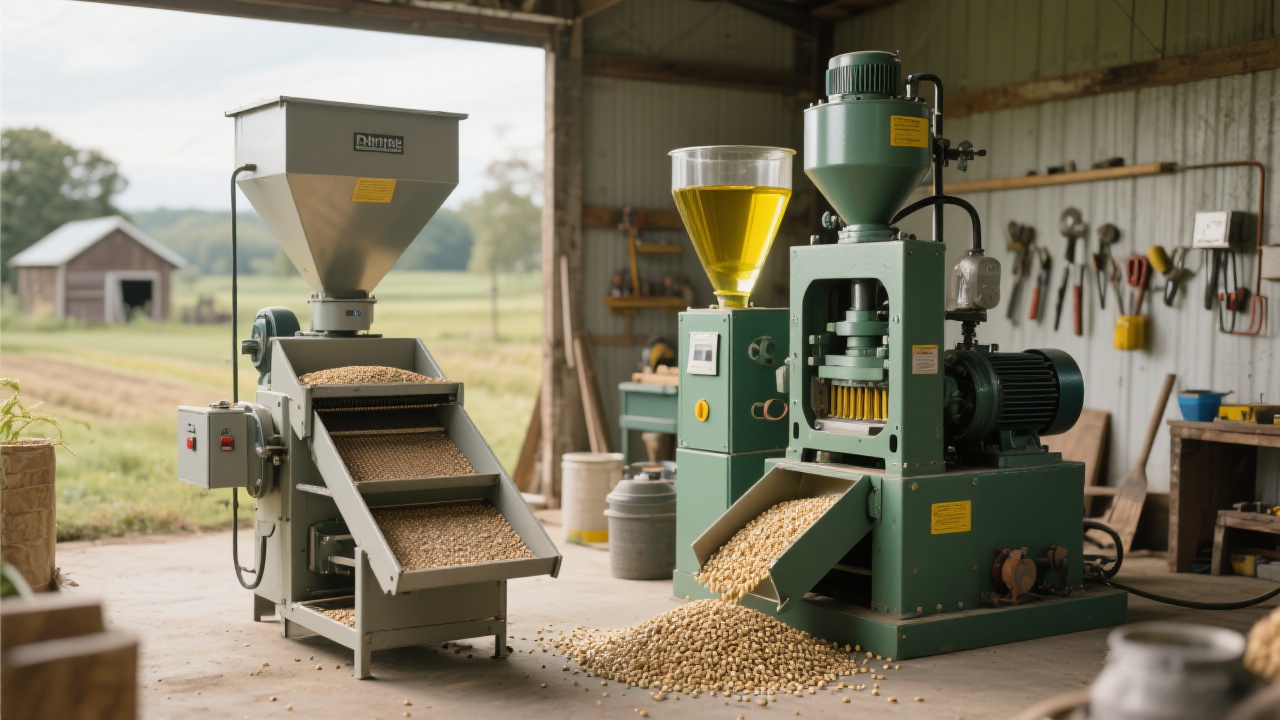
Building a standardized quality management system is essential for preventing pollution sources such as metal residues and microorganisms. By implementing a HACCP - based quality control system, every step of the production process can be strictly monitored. For example, regular equipment maintenance and cleaning can prevent metal residues, and strict control of the production environment can reduce the risk of microbial contamination.
"In my 15 - year experience in sunflower oil production, I've found that strict adherence to quality management systems and proper selection of pressing methods are the keys to producing high - quality oil." - An experienced engineer
Are you ready to improve your sunflower oil production process? Click here to learn more about our advanced sunflower oil production solutions and take your business to the next level!