.jpg?x-oss-process=image/resize,h_400,m_lfit/format,webp)
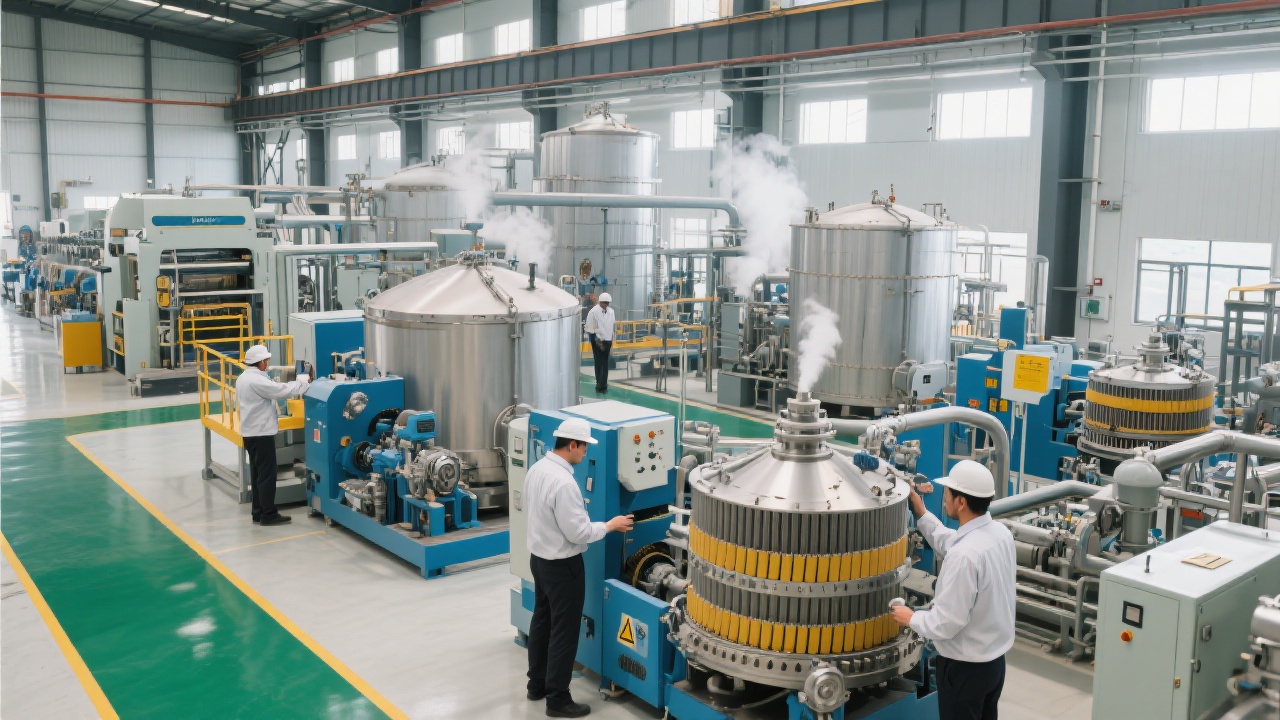
Optimizing sunflower oil extraction is key to increasing profitability and cutting operational costs for your medium-sized oil pressing setup. This guide dives into five critical technical factors influencing oil yield—moisture content control, pressing temperature, gap adjustment between press plates, screen configuration, and regular maintenance practices—backed by real factory data and seasoned engineer insights. You'll gain actionable knowledge to maximize every kilo of seeds processed, enhancing your production efficiency with reliable, replicable steps.
One of the most impactful parameters you control is the moisture content of your sunflower seeds before pressing. Maintaining seed moisture within 8% to 10% creates ideal conditions for oil flow without excessive steam or sticking inside the press chamber.
Exceeding 12% moisture tends to drop oil yield by up to 5% due to steam formation and mechanical inefficiencies. Conversely, too low moisture (<7%) can cause seed brittleness, increasing kernel breakage and diminishing juice release. Use precise drying equipment or sieving techniques to maintain stable moisture throughout batch feeding.
The temperature inside the pressing chamber directly affects oil viscosity and the mechanical energy needed to extract it. Based on our factory trials, keeping the pressing temperature between 80°C and 105°C optimizes oil fluidity without degrading oil quality or causing excessive foaming.
Temperatures below 75°C may cause incomplete oil release, while above 110°C risks thermal degradation, resulting in off-flavors or reduced shelf stability. Employ thermocouples and automated temperature control systems for precision and repeatability.
Fine-tuning the extrusion space between the pressing cake chamber wall and the rotating press shaft—commonly called the press gap—is a subtle yet decisive factor for maximum extraction.
Manufacturers recommend maintaining a gap ranging from 0.8 mm to 1.2 mm, depending on seed type and oil content. Narrower gaps increase pressure forcing more oil out but risk mechanical wear and jamming. Larger gaps reduce oil yield but protect machine longevity.
Regularly measure and adjust this gap during operation to balance efficiency and equipment safety.
The interacting screening components control the debris size expelled and influence oil filtration before collection.
Select high-quality stainless steel screens with mesh sizes between 0.5 to 1.0 mm to maximize throughput and minimal clogging. Improper screen sizes can cause back pressure in the system, reducing yield by up to 3% and increasing downtime for cleaning.
Daily and weekly maintenance routines cannot be overstated. Consistent lubrication, cleaning of residues, and inspection of pressing components safeguard your equipment’s performance stability.
Delayed maintenance causes cumulative wear and tear, leading to drop-offs in output rates—worst case, a 10% decline over a 6-month period. Implement preventive maintenance checklists and logging to predict failures before they happen and schedule downtime efficiently.
| Parameter | Optimized Range | Yield Improvement |
|---|---|---|
| Seed Moisture Content | 8-10% | +4% from baseline |
| Pressing Temperature | 80°C - 105°C | +3% oil yield |
| Press Gap | 0.8 - 1.2 mm | +2.5% extraction efficiency |
| Screen Mesh Size | 0.5 - 1.0 mm | +1.5% steady flow |
.jpg)


 385
|
385
|
 oilseed pretreatment production line benefits
customized oilseed processing machinery
comprehensive service for oil extraction equipment
oilseed pretreatment production line benefits
customized oilseed processing machinery
comprehensive service for oil extraction equipment
 485
|
sunflower seed oil refining process
edible grade sunflower seed oil
refining defects in vegetable oils
oil quality control in refining
physical and chemical refining methods
485
|
sunflower seed oil refining process
edible grade sunflower seed oil
refining defects in vegetable oils
oil quality control in refining
physical and chemical refining methods
 334
|
Sunflower oil grinder
High - performance stainless steel oil grinder
Efficient oil extraction equipment
Oil grinder capacity selection
Automation in oil grinding equipment
334
|
Sunflower oil grinder
High - performance stainless steel oil grinder
Efficient oil extraction equipment
Oil grinder capacity selection
Automation in oil grinding equipment
 199
|
sunflower oil press machine
integrated oil filter system
home oil press equipment
efficient oil extraction solution
automatic oil filtering machine
199
|
sunflower oil press machine
integrated oil filter system
home oil press equipment
efficient oil extraction solution
automatic oil filtering machine
 478
|
Palm Oil Refining Equipment
Energy-Efficient Palm Oil Processing
Sustainable Oil Refining Technology
478
|
Palm Oil Refining Equipment
Energy-Efficient Palm Oil Processing
Sustainable Oil Refining Technology