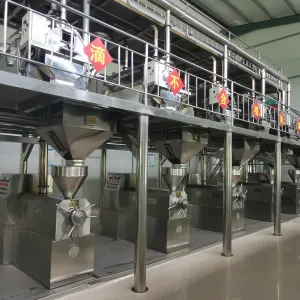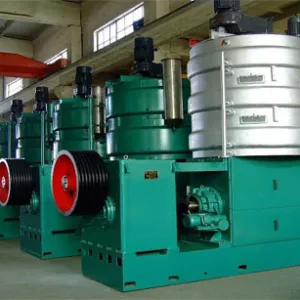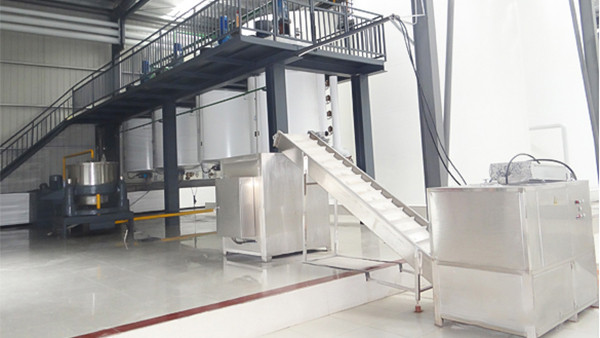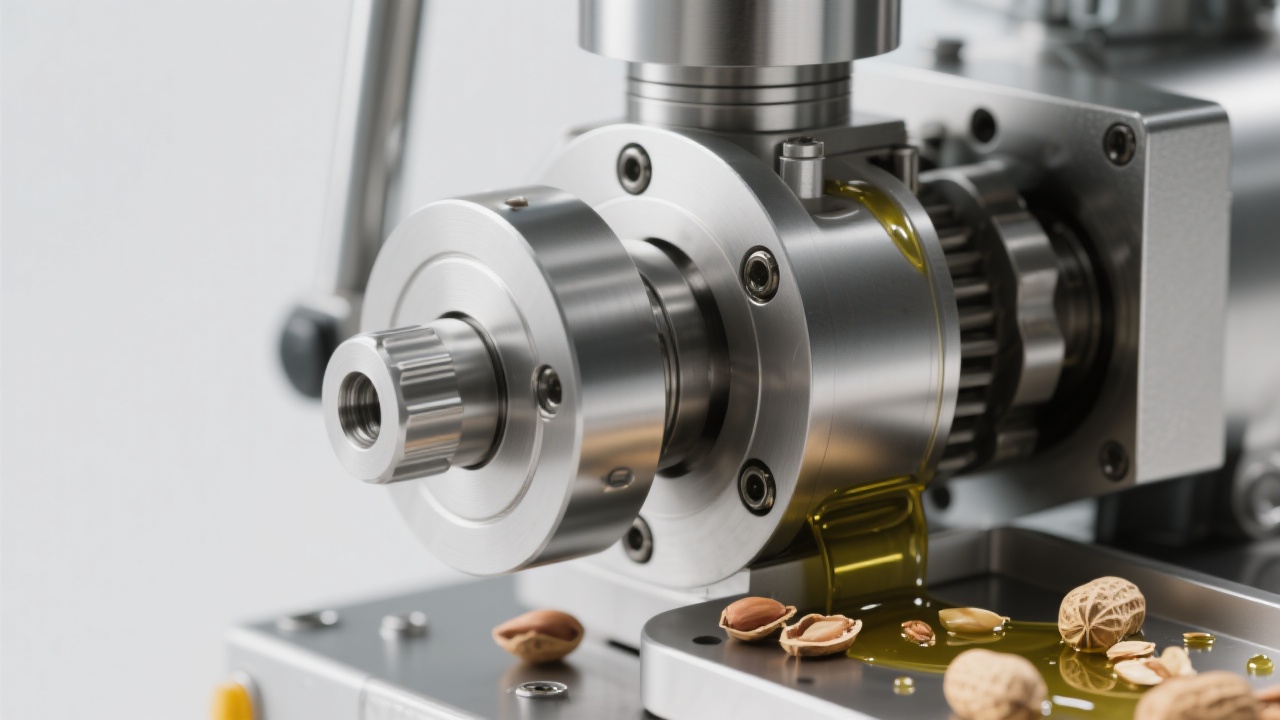
Increasing the oil extraction rate from sunflower seeds is critical for improving profitability and operational efficiency in small to medium-scale oil pressing businesses. This article dives deep into five essential techniques for optimizing medium-sized sunflower oil press machines, based on real factory data and hands-on engineer experience.
Moisture content in sunflower seeds directly affects oil yield and pressing efficiency. The ideal moisture level ranges between 6% to 8%. Seeds with higher moisture can cause poor oil separation and machinery clogging, while excessively dry raw materials reduce pressing softness, leading to incomplete oil extraction. Accurate moisture measurement tools, such as digital moisture meters, should be utilized during raw material preparation to maintain consistent input quality.
Press temperature directly influences oil fluidity and viscosity during extraction. For sunflower oil, maintaining pressing temperatures between 90°C and 115°C maximizes oil yield without compromising oil quality. Temperatures above 120°C risk deteriorating oil pigments and nutrients, while lower settings may reduce pressure efficiency. Utilize integrated temperature sensors to monitor and adjust in real-time, ensuring stable processing conditions.
The gap between the screw press and the press chamber (also called the thimble) determines the compression ratio. Engineers recommend fine-tuning this clearance to approximately 0.5 mm to 1.0 mm depending on seed characteristics. A tighter gap increases pressure and oil yield but may lead to increased wear and equipment stress. Conversely, a too-wide gap decreases pressing efficiency. Regular inspections and incremental adjustments yield balanced results.
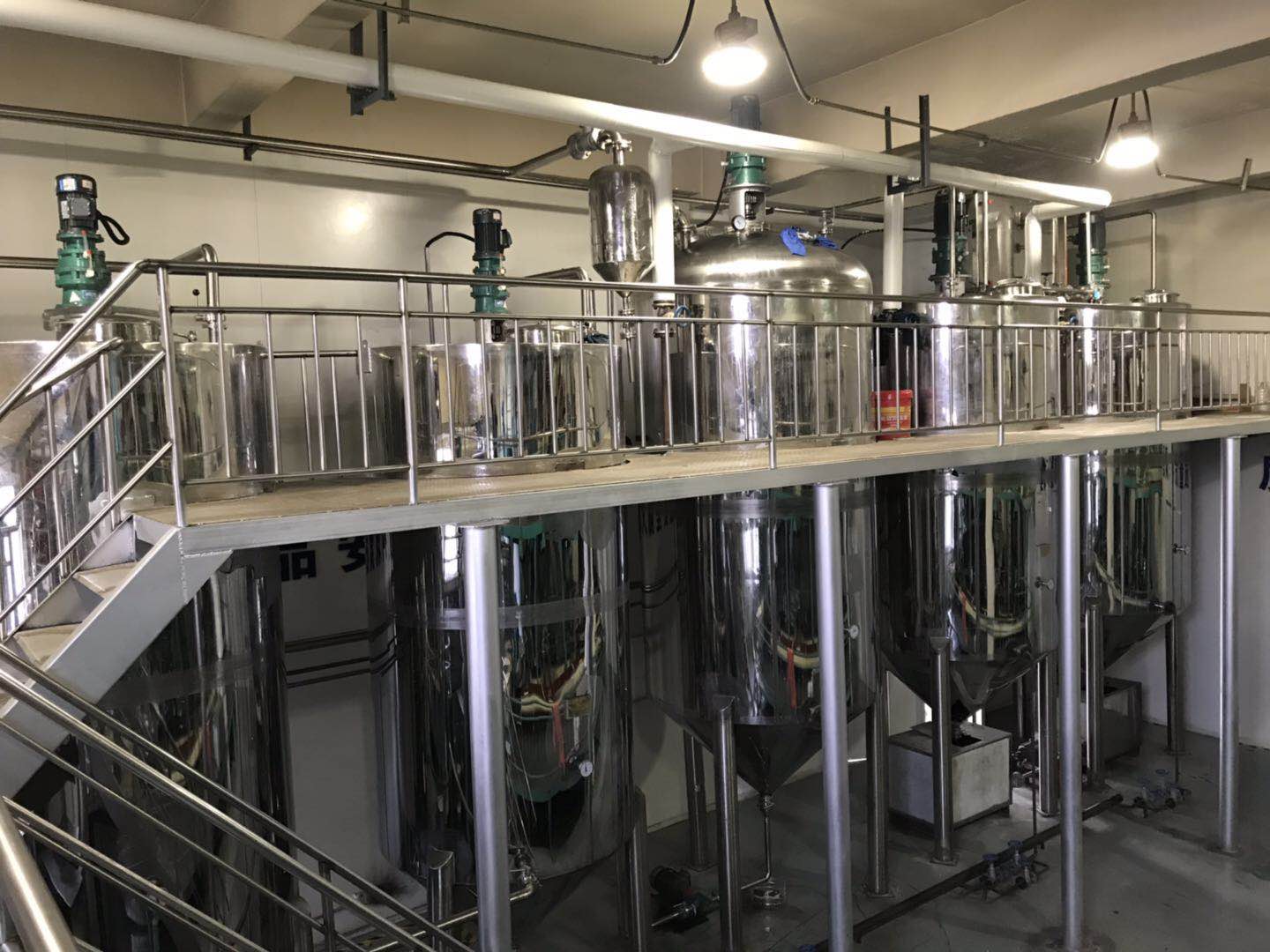
Screens (or sieves) filter pressed oil from solid residues. Employing screens with mesh sizes ranging from 1.0 mm to 1.5 mm provides efficient filtration while minimizing clogging. For sunflower seeds with higher impurity rates, a finer mesh at the initial stage coupled with coarser downstream screens helps maintain steady oil flow. Customizing screen materials for durability and ease of cleaning also reduces downtime.
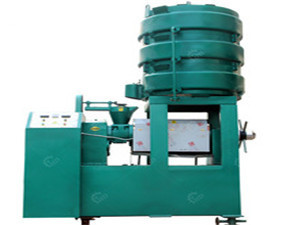
.jpg)
Regular maintenance schedules extend equipment lifespan and ensure stable output. Daily cleaning, weekly lubrication of moving parts, and monthly inspection of wear components like screws, bearings, and screens reduce unexpected failures. Adopting a fault diagnosis log based on common issues—such as blockages, motor overheating, and leaking seals—enables proactive servicing. Real-life data from factories show that proactive care can increase equipment uptime by over 15% and improve oil yield consistency by 8% annually.


 162
|
162
|
 Hot - pressed sunflower oil press
Commercial sunflower oil production
Oil output increase
Hot - pressing technology principle
Sunflower oil production equipment
Hot - pressed sunflower oil press
Commercial sunflower oil production
Oil output increase
Hot - pressing technology principle
Sunflower oil production equipment
 219
|
Sunflower oil production
Shelling machine optimization
Oil filter technology
Improving export qualification rate
Sunflower oil quality control
219
|
Sunflower oil production
Shelling machine optimization
Oil filter technology
Improving export qualification rate
Sunflower oil quality control
 355
|
sunflower seed oil
food industry
cosmetics industry
355
|
sunflower seed oil
food industry
cosmetics industry
 117
|
Sunflower Oil Milling Machine
Sunflower Oil Press Machine
Efficient Sunflower Oil Production
Automatic Sunflower Oil Milling
Durable Sunflower Seed Processing Equipment
High Yield Sunflower Oil Extraction
Energy Efficient Sunflower Oil Machines
Small Scale Sunflower Oil Milling
Medium Scale Sunflower Oil Processing
Versatile Oilseed Milling Machines
117
|
Sunflower Oil Milling Machine
Sunflower Oil Press Machine
Efficient Sunflower Oil Production
Automatic Sunflower Oil Milling
Durable Sunflower Seed Processing Equipment
High Yield Sunflower Oil Extraction
Energy Efficient Sunflower Oil Machines
Small Scale Sunflower Oil Milling
Medium Scale Sunflower Oil Processing
Versatile Oilseed Milling Machines
 104
|
cold pressed sunflower oil
how to identify cold pressed oil
sunflower oil export quality
sensory testing for oils
cold press vs hot press
104
|
cold pressed sunflower oil
how to identify cold pressed oil
sunflower oil export quality
sensory testing for oils
cold press vs hot press







.jpg?x-oss-process=image/resize,m_fill,h_300,w_300/format,webp)