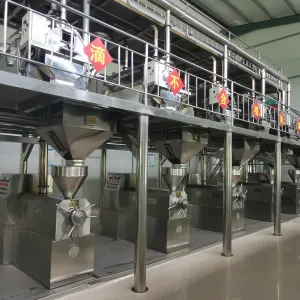
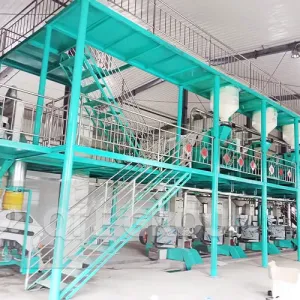
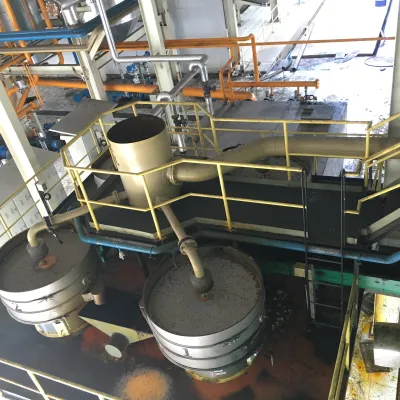
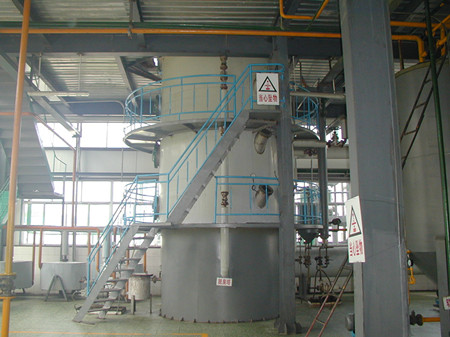
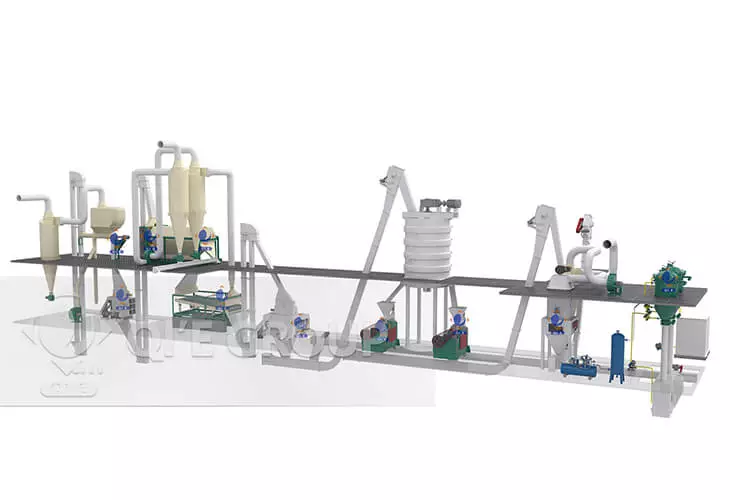
Cold-pressed sunflower oil has gained significant traction in the B2B market due to its health benefits and unique flavor. This guide will take you through the entire process of mass-producing cold-pressed sunflower oil, from seed cleaning to packaging.
The first step in producing high-quality cold-pressed sunflower oil is selecting the right raw materials. High-quality sunflower seeds are crucial as they determine the final quality of the oil. Seeds should be free from impurities, mold, and pests. Once the seeds are selected, thorough cleaning is essential. This process removes dirt, dust, and other foreign particles. According to industry data, proper seed cleaning can improve the oil yield by up to 5%.

After cleaning, the sunflower seeds need to be shelled. Shelling helps to separate the kernels from the shells, which can improve the efficiency of the cold-pressing process. The shelling process should be gentle to avoid damaging the kernels. Different types of shelling machines are available in the market, and the choice depends on the scale of production.
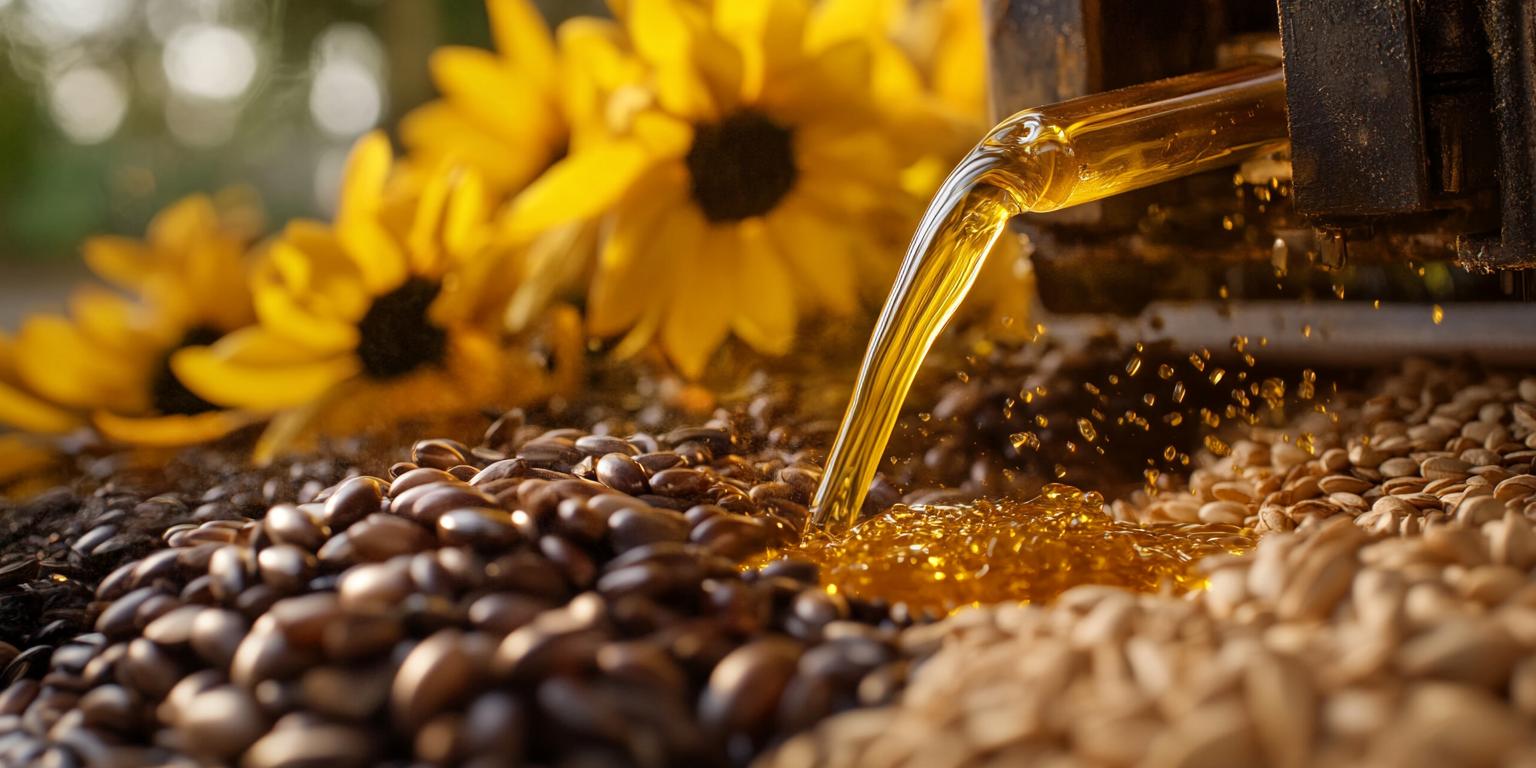
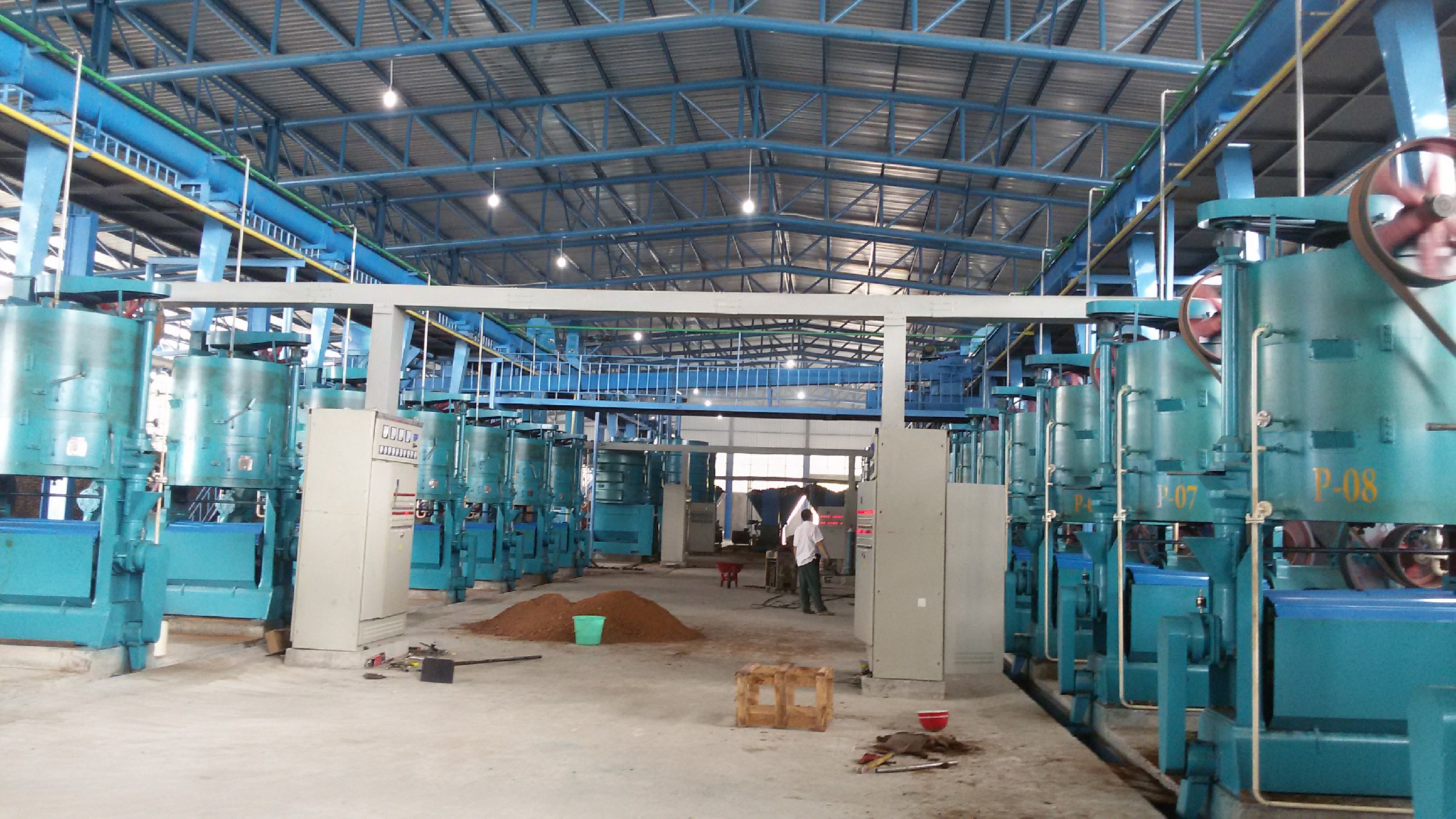
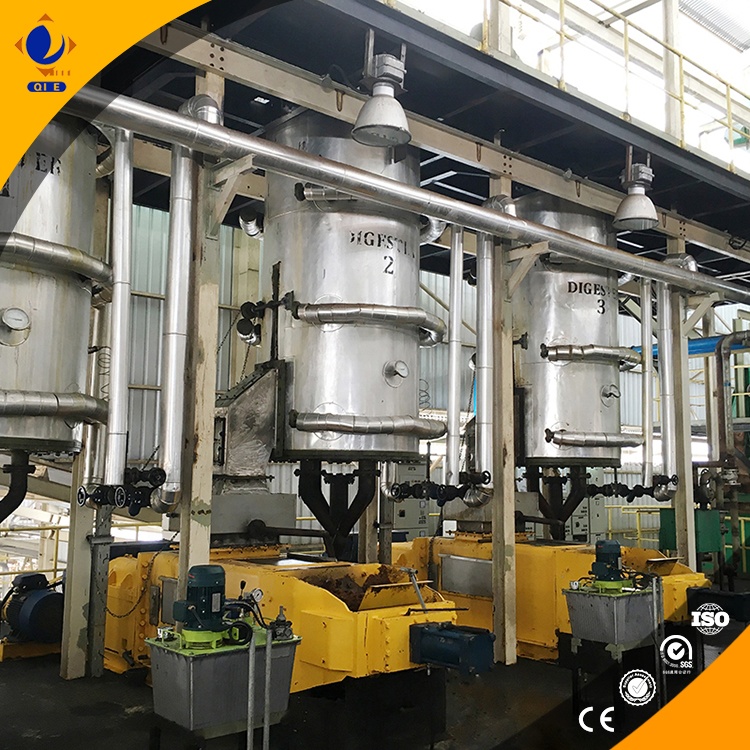
Cold pressing is the heart of the production process. Unlike traditional hot pressing, cold pressing is carried out at low temperatures (usually below 49°C). This low-temperature process helps to retain the natural nutrients and unique flavor of the sunflower seeds. A study by a leading food research institute found that cold-pressed sunflower oil contains up to 30% more antioxidants compared to hot-pressed oil. These antioxidants, such as vitamin E, have been linked to various health benefits, including reduced risk of heart disease and improved skin health.

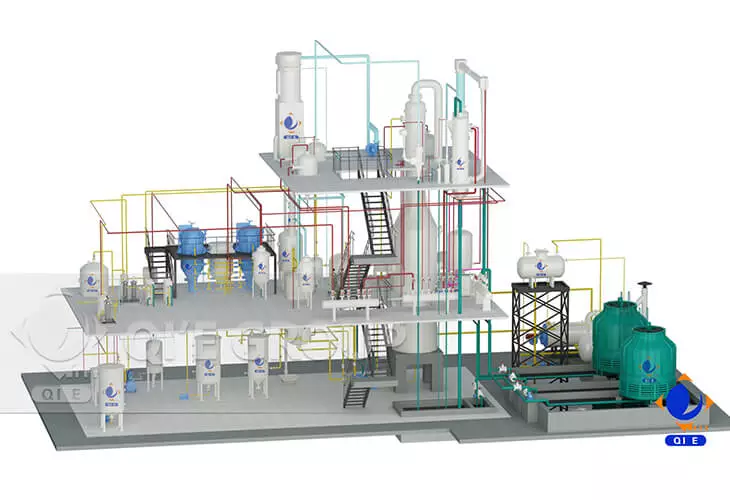
After cold pressing, the oil needs to be filtered to remove any remaining solids or impurities. Filtration can be done through multiple stages, including coarse filtration and fine filtration. The filtration process ensures that the oil has a clear appearance and meets the quality standards. Proper filtration can also extend the shelf life of the oil.
The final step in the production process is packaging. Packaging plays a crucial role in protecting the oil from light, air, and moisture, which can degrade the quality of the oil over time. Dark glass bottles or opaque containers are often used for packaging cold-pressed sunflower oil. The packaging should also be properly sealed to prevent leakage. According to industry trends, sustainable packaging solutions are becoming increasingly popular in the B2B market.
Cold-pressed sunflower oil has several market competitive advantages. The low-temperature cold-pressing technology retains the natural nutrients and unique flavor of the sunflower seeds, making it a popular choice for health-conscious consumers. In addition, cold-pressed sunflower oil has a higher antioxidant content, which provides better protection against oxidation and spoilage. According to market research, the demand for cold-pressed oils is expected to grow at a CAGR of 8% in the next five years.
Q: What is the difference between cold-pressed and hot-pressed sunflower oil?
A: Cold-pressed sunflower oil is produced at low temperatures, which helps to retain the natural nutrients and flavor of the sunflower seeds. Hot-pressed oil is produced at higher temperatures, which can cause some of the nutrients to be lost.
Q: How long does cold-pressed sunflower oil last?
A: When properly stored in a cool, dark place, cold-pressed sunflower oil can last up to 12 months. However, it is recommended to use the oil within 6 months for the best quality.
If you are looking to optimize your cold-pressed sunflower oil production process and meet the growing demand for high-quality, healthy oils, click here to learn more about our professional solutions.
 160
|
160
|
 Sunflower oil machine
Oil processing equipment
High extraction efficiency
Sunflower oil machine
Oil processing equipment
High extraction efficiency
 318
|
small-scale oil press efficiency
sunflower seed oil extractor
oil press energy consumption
oil yield analysis
sunflower oil grinding machine selection
318
|
small-scale oil press efficiency
sunflower seed oil extractor
oil press energy consumption
oil yield analysis
sunflower oil grinding machine selection
 313
|
Sunflower Oil Filter Machine
High-Quality Sunflower Oil Filter
Efficient Sunflower Oil Filter Machine
Automatic Sunflower Oil Filter Machine
Centrifugal Sunflower Oil Filter
Vacuum Sunflower Oil Filter
Plate and Frame Sunflower Oil Filter
Pressure Leaf Sunflower Oil Filter
Industrial Sunflower Oil Filter Machine
313
|
Sunflower Oil Filter Machine
High-Quality Sunflower Oil Filter
Efficient Sunflower Oil Filter Machine
Automatic Sunflower Oil Filter Machine
Centrifugal Sunflower Oil Filter
Vacuum Sunflower Oil Filter
Plate and Frame Sunflower Oil Filter
Pressure Leaf Sunflower Oil Filter
Industrial Sunflower Oil Filter Machine
 112
|
Sunflower oil production equipment
Improvement of sunflower seed oil yield
Cold - pressing vs hot - pressing process
Sunflower oil processing flow
Sunflower oil refining technology
112
|
Sunflower oil production equipment
Improvement of sunflower seed oil yield
Cold - pressing vs hot - pressing process
Sunflower oil processing flow
Sunflower oil refining technology
 379
|
integrated sunflower seed oil press machine
sunflower oil filtration system
efficient oil extraction equipment
high-quality sunflower seed oil production
oil press machine for export
379
|
integrated sunflower seed oil press machine
sunflower oil filtration system
efficient oil extraction equipment
high-quality sunflower seed oil production
oil press machine for export