In the competitive landscape of sunflower oil production, mastering the full - process processing technology is crucial for businesses aiming to enhance output and quality. This article provides a comprehensive guide to sunflower oil processing, covering key steps and offering practical solutions to common challenges.
The pretreatment phase is the first step in sunflower oil processing, which includes cleaning and shelling. Cleaning equipment plays a vital role in removing impurities from sunflower seeds. For example, a well - designed vibrating screen can remove up to 95% of dirt and debris. This not only improves the purity of the oil but also extends the lifespan of subsequent processing equipment.
Shelling is equally important. By removing the shells, the oil purity can be increased by approximately 10 - 15%, and the oil yield can be improved by 5 - 8%. Advanced shelling technology ensures that the kernels remain intact, which is essential for high - quality oil production.
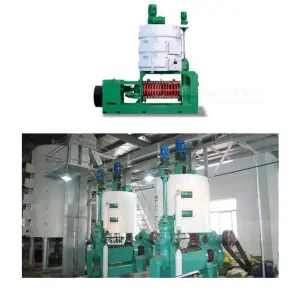
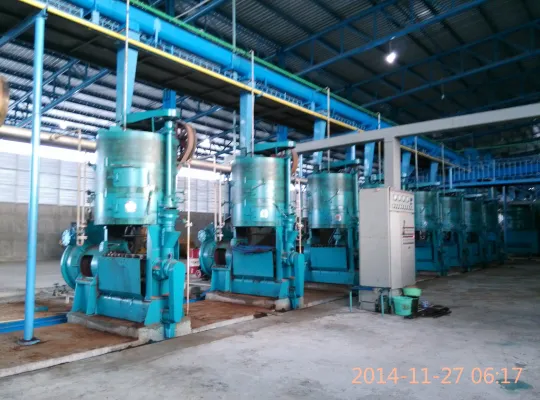
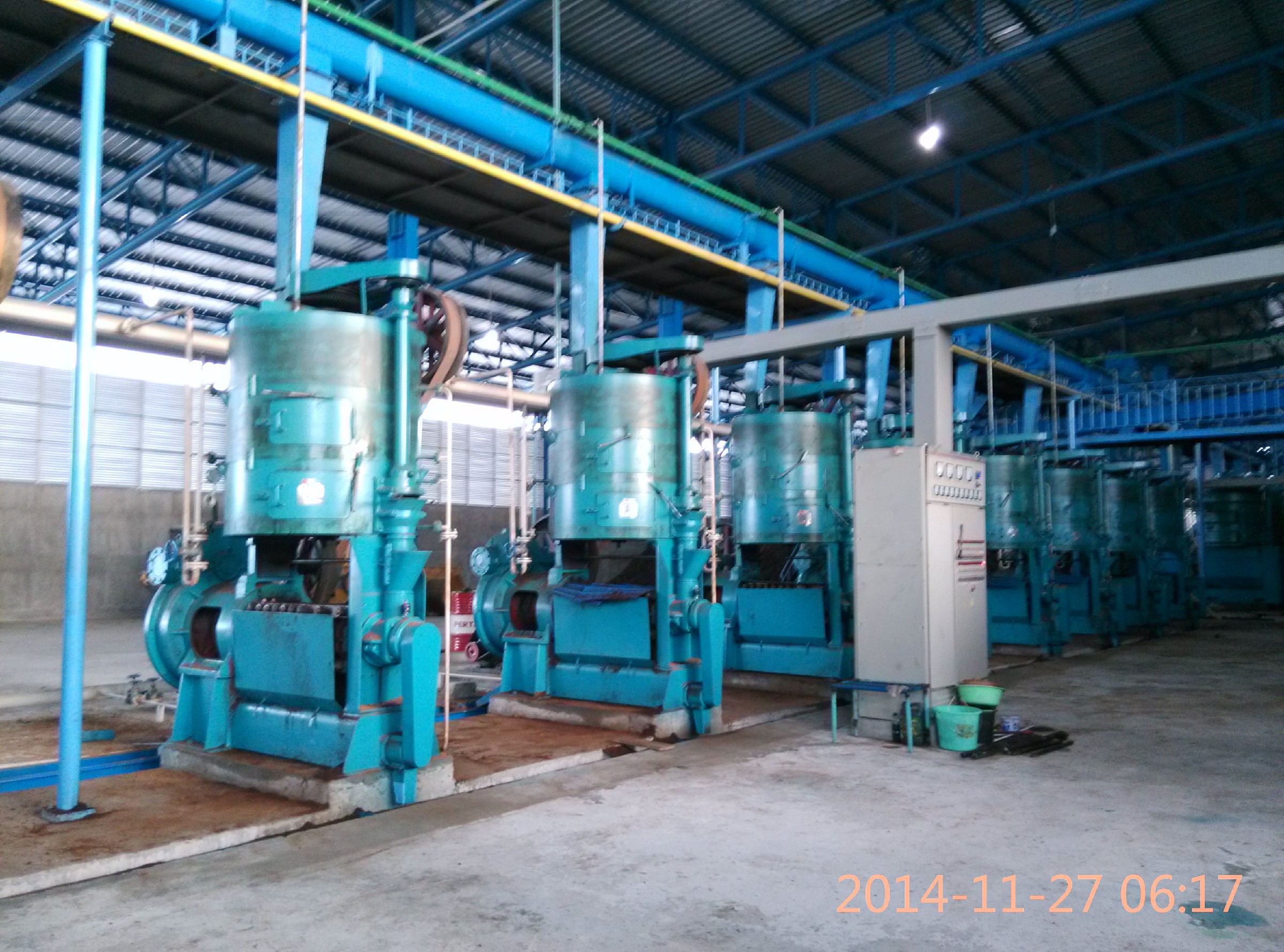
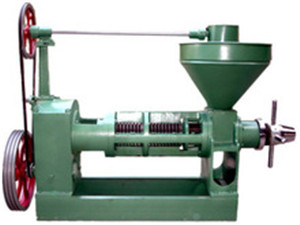
There are two main types of presses used in sunflower oil production: screw presses and hydraulic presses. Screw presses are suitable for large - scale continuous production, with an average production efficiency of 2 - 5 tons per hour. They are relatively easy to operate and maintain, and can effectively reduce labor costs.
On the other hand, hydraulic presses are more suitable for small - scale production or when high - quality oil is required. They can produce oil with a higher purity but at a lower production rate, usually around 0.5 - 1 ton per hour. The following table compares the two types of presses:
| Press Type | Suitable Scale | Production Efficiency | Oil Purity |
|---|---|---|---|
| Screw Press | Large - scale | 2 - 5 tons/hour | High |
| Hydraulic Press | Small - scale | 0.5 - 1 ton/hour | Higher |
Automated equipment can significantly improve production efficiency and reduce costs. For example, an automated screw press can reduce labor requirements by up to 50% and increase production efficiency by 30%.
Filtration is crucial for obtaining clear and pure sunflower oil. Physical filtration methods, such as using filter cloths, can remove large - particle impurities. However, for more precise purification, precision filter cartridges are often used. These cartridges can remove particles as small as 1 - 5 microns, ensuring the oil meets high - quality standards.
To ensure the clarity of the oil, regular testing is required. A simple method is to use a transparency meter to measure the light transmittance of the oil. High - quality sunflower oil should have a light transmittance of over 90%.
Let's take a look at some practical cases. A sunflower oil production plant was facing the problem of unstable oil color. After analyzing the raw materials and the processing process, it was found that the problem was caused by improper raw material storage. By adjusting the storage conditions and improving the pretreatment process, the oil color became more stable.
Common problems in sunflower oil production, such as low oil yield and poor oil quality, can often be traced back to the processing technology. By carefully analyzing the process and making appropriate adjustments, these problems can be effectively solved.
To sum up, mastering the full - process processing technology of sunflower oil is essential for production managers and operators. By following the technical points and operation skills in each step, and making reasonable equipment selections, sunflower oil production enterprises can improve production efficiency, enhance oil quality, and gain a competitive edge in the market.
Discover more detailed sunflower oil processing technology by visiting our technical column.